Modern security challenges demand smarter solutions than traditional guards or passive cameras. Remote video monitoring represents the evolution of property protection, combining advanced technology with human expertise to deliver real-time threat prevention. This comprehensive guide breaks down exactly how this powerful security approach works, from the cameras on your property to the trained professionals watching over it 24/7.
The Core Components of Remote Video Monitoring Systems

Remote video monitoring relies on three essential elements working in harmony: intelligent camera technology, high-speed data transmission, and professional monitoring centers staffed by trained security personnel.
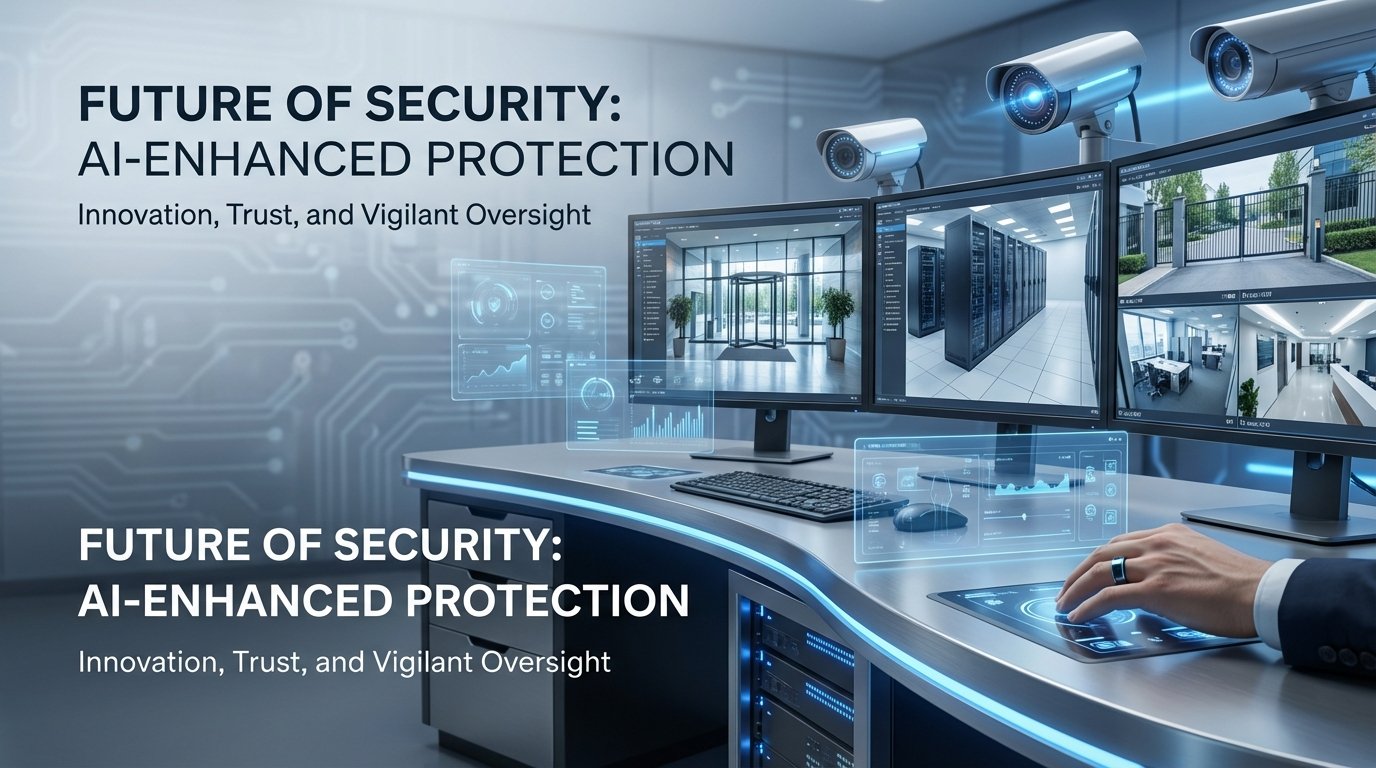
High-definition IP cameras form the foundation, capturing crystal-clear footage across your property. Unlike traditional CCTV systems that simply record, these cameras feature built-in processing capabilities that enable smart detection. They connect directly to your network, transmitting live feeds to remote monitoring stations where security professionals maintain constant vigilance.
The transmission infrastructure utilizes secure internet connections to deliver real-time video feeds. Encryption protocols protect data integrity, ensuring unauthorized parties cannot intercept your security footage. Redundant connections prevent service interruptions, guaranteeing continuous protection even if primary networks experience disruptions.
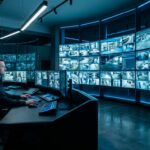
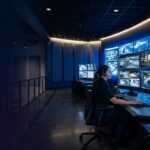
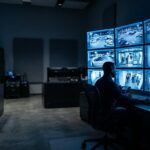
Professional monitoring centers represent the human element that separates remote video monitoring from automated systems. Licensed security guards trained in threat assessment watch multiple properties simultaneously, ready to respond immediately when suspicious activity occurs. These professionals distinguish between legitimate activity and genuine threats, eliminating false alarms that plague purely automated systems.
Intelligent Detection Technology: The First Line of Defense

Remote video monitoring systems employ sophisticated analytics that transform cameras from passive recording devices into proactive security tools. Motion detection algorithms identify movement within designated zones, triggering alerts when activity occurs in restricted areas or during specified timeframes.
Advanced systems incorporate artificial intelligence that learns normal patterns for your property. This technology recognizes the difference between a delivery truck arriving during business hours and an unauthorized vehicle approaching at 2 AM. Machine learning algorithms continuously improve accuracy, reducing false alerts caused by animals, weather conditions, or routine activity.
Perimeter breach detection creates virtual tripwires across property boundaries. When someone crosses these invisible lines, the system immediately alerts monitoring personnel who can assess the situation in real-time. This proactive approach enables intervention before intruders reach valuable assets or restricted areas.
Loitering detection identifies individuals remaining in specific areas longer than predetermined timeframes. This proves particularly valuable for construction sites where copper theft often begins with extended surveillance by criminals, or retail locations where potential shoplifters case stores before acting.
Real-Time Response: From Detection to Intervention
The true power of remote video monitoring emerges when detection technology connects with human expertise. Here’s the complete response workflow that protects your property:
When analytics detect suspicious activity, the system instantly alerts monitoring station personnel and highlights the specific camera feed requiring attention. Security professionals immediately review live footage to verify whether the alert represents a genuine threat or a false alarm triggered by authorized activity.
Upon confirming suspicious behavior, trained guards initiate two-way audio communication through speaker systems installed at your property. This direct intervention startles intruders who assume they’re unobserved, often causing them to flee before committing crimes. The voice warning clearly communicates that their presence has been detected and authorities are being notified.
Simultaneously, monitoring personnel follow established protocols for your specific property, which may include contacting law enforcement, notifying property managers, or activating additional security measures like lighting or alarm systems. Complete incident documentation begins immediately, capturing video evidence and detailed logs that prove invaluable for investigations and insurance claims.
This coordinated response typically occurs within seconds of initial detection—far faster than traditional security approaches. For construction sites, this means stopping copper theft before criminals load material into vehicles. For retail locations, it enables intervention during break-ins rather than discovering losses the next morning. For apartment complexes, it protects residents from parking lot crimes and unauthorized access.
Infrastructure Requirements: What Your Property Needs
Implementing remote video monitoring requires specific infrastructure that varies based on property size and security requirements.
Reliable internet connectivity forms the foundation. Most commercial properties need bandwidth of at least 10-20 Mbps for effective multi-camera transmission, though exact requirements depend on camera quantity and resolution. Redundant internet connections through different service providers ensure continuous monitoring even during outages.
Network video recorders (NVRs) or video management software manage camera feeds and store footage locally. Cloud storage options provide additional backup, ensuring footage remains accessible even if on-site equipment is damaged or stolen.
Strategic camera placement maximizes coverage while minimizing blind spots. Professional site surveys identify optimal locations for cameras, considering lighting conditions, coverage angles, and potential obstruction. Typical installations for a 50,000 square foot warehouse might include 8-12 strategically positioned cameras, while a retail strip center could require 15-20 cameras covering entrances, parking areas, and loading zones.
Two-way audio systems enable monitoring personnel to communicate warnings to intruders. Strategically placed speakers ensure clear audio projection across critical areas, transforming passive observation into active deterrence.
Cost Efficiency Versus Traditional Security Solutions
Property owners consistently identify cost savings as a primary advantage when comparing remote video monitoring against on-site security guards. Understanding the economics reveals why this technology delivers superior return on investment.
Traditional security guards cost $25-50 per hour depending on location and requirements. A single guard covering an 8-hour shift costs $200-400 daily, or $6,000-12,000 monthly. Properties requiring 24/7 coverage need multiple guards across three shifts, plus additional personnel covering days off and vacations—easily exceeding $20,000-30,000 monthly for constant protection.
Remote video monitoring typically costs $500-2,000 monthly depending on property size and camera quantity, delivering 24/7 coverage at a fraction of traditional guard costs. The price includes monitoring services, system maintenance, and ongoing support. For property owners spending $300,000 annually on physical guards, transitioning to remote monitoring can save $200,000-250,000 yearly while maintaining or improving security effectiveness.
These savings don’t reflect reduced quality—they represent efficiency gains from technology enabling trained professionals to monitor multiple properties simultaneously. One security professional can effectively watch 8-12 locations at once, dramatically reducing per-property costs while maintaining human expertise in threat assessment and response.
Industry-Specific Applications and Benefits
Different industries face unique security challenges that remote video monitoring addresses through customized implementations.
Construction sites experience frequent copper theft, equipment loss, and vandalism. Remote monitoring prevents these crimes by detecting after-hours activity and enabling immediate intervention. Two-way audio warnings typically deter criminals before they damage property or steal materials, eliminating losses that average $30,000-50,000 per significant theft incident.
Retail properties utilize remote monitoring for parking lot security, after-hours break-in prevention, and perimeter protection. The technology enables rapid police response during burglaries, increasing apprehension rates while minimizing merchandise losses. Video verification reduces false alarm fines that cost retailers thousands annually.
Auto dealerships face particular vulnerability to vehicle theft and lot damage. Remote monitoring provides comprehensive lot coverage with license plate recognition capabilities. Live monitoring during nighttime hours when theft typically occurs enables immediate response, while detailed footage aids recovery efforts and prosecution.
Apartment complexes and residential communities use remote monitoring to enhance resident safety in parking areas, common spaces, and entry points. The technology provides security presence without the intimidation factor of armed guards, creating safer environments while controlling costs passed to residents through HOA fees or rent.
Privacy and Compliance Considerations
Implementing remote video monitoring requires attention to privacy regulations and legal compliance. Reputable providers ensure systems meet all applicable requirements while protecting both properties and individual rights.
Camera placement focuses on public areas like parking lots, building exteriors, and common spaces rather than private areas where individuals have reasonable privacy expectations. Clear signage notifies people that video monitoring is active, satisfying disclosure requirements in most jurisdictions.
Access controls limit who can view footage, with detailed logs tracking all system access. Encryption protects transmitted data, while secure storage protocols prevent unauthorized viewing of recorded content. These measures satisfy data protection requirements while maintaining evidence integrity for potential legal proceedings.
Retention policies automatically delete footage after specified periods unless flagged for incident investigation, balancing security needs against privacy concerns and storage costs.
Frequently Asked Questions
What is remote video monitoring?
Remote video monitoring combines HD security cameras, intelligent detection technology, and trained security professionals watching your property from remote monitoring centers. Unlike passive surveillance that only records events, remote monitoring enables real-time threat detection and immediate response through two-way audio warnings and law enforcement coordination. This proactive approach prevents crimes rather than simply documenting them.
How do you know if you’re under video surveillance?
Legitimate remote video monitoring installations include clearly visible cameras and signage notifying people that surveillance is active. Property owners must disclose monitoring in areas where individuals have no reasonable expectation of privacy, such as parking lots and building exteriors. If you’re on private property, assume video monitoring is present in public areas, though cameras should never be positioned in private spaces like restrooms or changing areas.
How do I know if my company is tracking my remote work?
Employers using video monitoring for remote workers must typically disclose this surveillance depending on jurisdiction. Check your employee handbook, IT policies, or ask human resources directly. Company-issued equipment like laptops often includes monitoring software. In most locations, employers cannot legally monitor employees through cameras without consent, particularly in home environments where privacy expectations exist.
Can someone access my camera without me knowing?
Professional remote video monitoring systems implement multiple security layers preventing unauthorized access. Encrypted transmission, password protection, two-factor authentication, and access logs ensure only authorized monitoring personnel view footage. Unlike consumer-grade cameras with known vulnerabilities, commercial systems undergo rigorous security testing. Reputable monitoring providers maintain strict access controls and conduct regular security audits to prevent breaches.
Partner With Proven Remote Monitoring Experts
Understanding how remote video monitoring works reveals why property owners across industries are transitioning from traditional security approaches to this technology-enhanced solution. The combination of intelligent detection, live human monitoring, and immediate response capabilities delivers proactive protection that prevents crimes rather than simply recording them.
Digital Security Guard specializes in custom remote video monitoring solutions tailored to your property’s unique security challenges. Our Boca Raton-based monitoring center operates 24/7/365, staffed by trained, licensed security professionals dedicated to protecting your assets. We’ve helped construction companies eliminate theft losses, retailers prevent break-ins, and residential communities enhance resident safety—all while delivering substantial cost savings compared to traditional guard services.
Contact Digital Security Guard today for a complimentary security assessment. We’ll evaluate your property, identify vulnerabilities, and design a comprehensive remote monitoring solution that protects what matters most while maximizing your security investment.