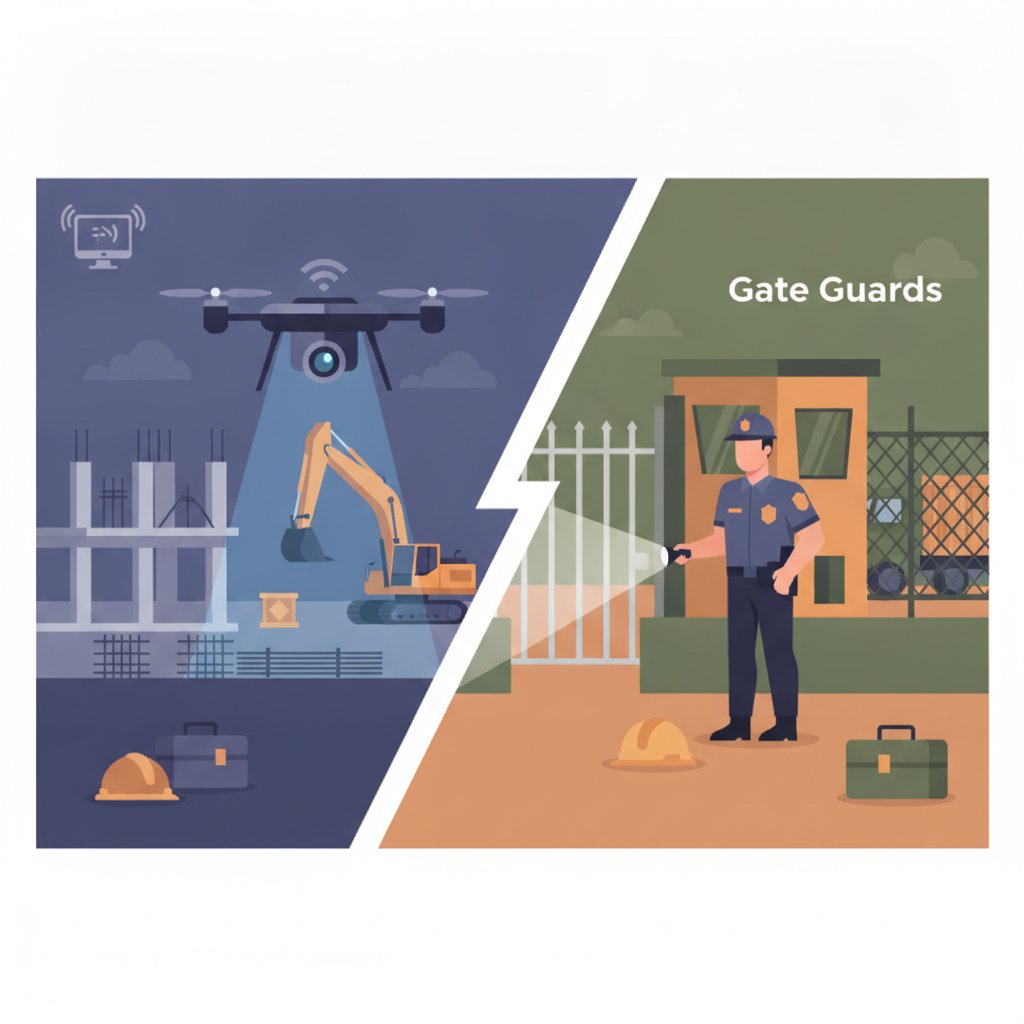
Construction sites face some of the most challenging security conditions in commercial real estate. With valuable equipment, materials worth thousands of dollars, and limited physical barriers, these locations become prime targets for theft and vandalism. Property managers and contractors must choose between traditional gate guard services and modern remote video monitoring to protect their investments. Understanding the differences between these two approaches can save significant costs while actually improving security outcomes.
The Construction Site Security Challenge
Construction sites present unique vulnerabilities that standard security solutions struggle to address. Unlike established commercial properties with locked doors and perimeter walls, active construction zones constantly change. New access points emerge daily, materials are delivered at various hours, and legitimate workers need around-the-clock entry while unauthorized visitors must be prevented from entering.
According to the National Equipment Register, construction site theft costs the industry over $1 billion annually in the United States. Copper wire, power tools, heavy machinery, and building materials disappear from sites nationwide, driving up project costs and delaying completion schedules. The FBI’s Uniform Crime Reporting Program data shows that property crimes remain a persistent challenge, with construction sites particularly vulnerable during off-hours and weekends.
Traditional security approaches often fall short because construction sites lack the infrastructure and predictability of finished buildings. Gates may not yet exist, fencing changes as the project progresses, and multiple contractors require access at different times. This dynamic environment demands flexible, comprehensive security that adapts to changing conditions.
How Gate Guard Services Work
Gate guard services place a physical security officer at the construction site entrance, typically in a guard booth or vehicle. This person checks identification, logs visitors, controls access, and provides a visible deterrent to unauthorized entry. Gate guards have been the construction industry standard for decades, offering the psychological reassurance of human presence on-site.
Physical guards provide certain advantages. They can interact directly with contractors and delivery personnel, verify credentials face-to-face, and respond immediately to issues they observe. For sites requiring hands-on package acceptance or detailed visitor screening, a human presence offers tangible benefits.
However, gate guard limitations become apparent quickly. A single guard covers only one entrance point, leaving other access areas vulnerable. When guards take breaks, change shifts, or call in sick, coverage gaps emerge. Sites requiring 24/7 protection need three or more guards to maintain continuous presence, with costs multiplying accordingly.
The human factor cuts both ways. While guards provide interpersonal interaction, they can also become complacent, distracted, or compromised. Guards may develop friendly relationships with frequent visitors that undermine security protocols. They cannot monitor multiple areas simultaneously, and their field of vision is limited to their immediate surroundings.
Remote Video Monitoring for Construction Sites
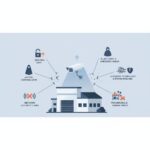
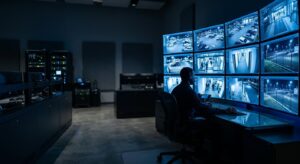
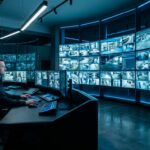
Remote video monitoring combines strategically placed security cameras with trained security professionals watching live feeds from a central monitoring station. Unlike passive recording systems that merely capture footage for after-the-fact review, remote video monitoring provides proactive intervention when suspicious activity occurs.
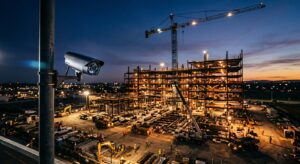
This approach transforms construction site security from reactive documentation to preventive protection. Cameras positioned at multiple vantage points provide comprehensive coverage of the entire property, eliminating blind spots that single-location guards cannot observe. Advanced camera technology enables clear viewing in low-light conditions and adverse weather, maintaining visibility when human guards would struggle to see.
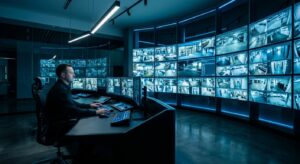
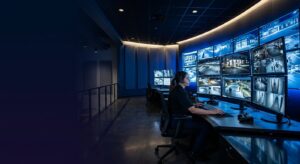
The real power of remote video monitoring lies in the combination of technology and human expertise. Trained security professionals watch multiple camera feeds simultaneously, looking for specific threat indicators and suspicious behaviors. When they detect potential security breaches, they can respond immediately through two-way audio warnings, alerting on-site management, or dispatching law enforcement when necessary.
Coverage extends beyond a single gate or entrance. Cameras monitor material storage areas, equipment yards, building perimeters, and vulnerable access points throughout the site. This comprehensive surveillance catches threats that would bypass a gate-focused security approach entirely. Thieves often enter construction sites through side access points, cut fences, or during shift changes when attention is diverted—activities that video monitoring catches but gate guards miss.
Cost Comparison: Guards vs. Remote Monitoring
Budget considerations drive most construction site security decisions, and the financial differences between gate guards and remote video monitoring are substantial. Gate guard services typically cost between $25 to $50 per hour depending on location and contract terms. For 24/7 coverage requiring three guards to maintain continuous presence, monthly costs range from $15,000 to $30,000 or higher.
These figures include base wages but often exclude additional expenses. Employers must consider payroll taxes, workers’ compensation insurance, benefits, training, uniforms, and administrative overhead. Site-provided facilities like guard booths, utilities, and restrooms add infrastructure costs. Guard turnover creates recruitment and training expenses as positions require constant refilling.
Remote video monitoring delivers comparable or superior security at a fraction of the cost. Professional monitoring services typically range from $200 to $800 per month depending on site size, camera count, and monitoring intensity. Initial camera installation requires upfront investment, but those costs are often comparable to constructing guard facilities and pay for themselves within a few months through reduced ongoing expenses.
The cost differential becomes more dramatic on long-term projects. A construction site requiring 18 months of security might spend $270,000 or more on gate guards versus $15,000 to $20,000 for remote monitoring with installed equipment. These savings directly impact project budgets, allowing contractors to allocate resources toward construction rather than security overhead.
Security Effectiveness: Which Approach Prevents More Crime?
Cost matters, but security effectiveness determines real value. The critical question is which approach actually prevents theft, vandalism, and unauthorized access more successfully.
Gate guards provide deterrence at a single controlled entry point. Their effectiveness depends heavily on individual performance, attention level, and adherence to protocols. A conscientious guard checking every vehicle and visitor provides strong access control during their shift. However, a distracted or overwhelmed guard processing multiple simultaneous arrivals creates opportunities for unauthorized entry.
The single-location limitation undermines gate guard effectiveness significantly. Motivated thieves rarely use the front gate when a security guard is present. Instead, they cut through perimeter fencing, enter through delivery access points, or wait until shift changes create brief coverage gaps. Gate guards cannot prevent what they cannot see, and most construction site theft occurs far from the main entrance.
Remote video monitoring covers the entire site simultaneously. Multiple cameras eliminate blind spots and provide overlapping coverage of critical areas. Trained monitoring professionals watching these feeds detect suspicious activity anywhere on the property, not just at controlled entry points. This comprehensive approach catches threats before they result in theft or damage.
The proactive intervention capability separates remote monitoring from passive recording systems. When operators identify suspicious individuals on camera, they can issue immediate audio warnings through speaker systems, informing potential intruders that they are being watched and law enforcement is being contacted. This real-time response often causes criminals to flee before committing theft, preventing losses rather than simply documenting them.
According to research from the Urban Institute, visible security cameras reduce crime in monitored areas, particularly property crimes like theft and vandalism. The combination of surveillance technology and active human monitoring creates layered deterrence that proves more effective than single-point physical security.
Flexibility and Scalability Advantages
Construction projects evolve constantly, and security must adapt to changing site conditions. Remote video monitoring offers flexibility that gate-based approaches cannot match.
As construction progresses, camera positions can be adjusted to monitor new areas of concern. Additional cameras can be deployed temporarily during material deliveries or high-value equipment installation without hiring additional guards. Sites can scale coverage up during vulnerable project phases and scale down when security needs decrease, optimizing costs throughout the construction timeline.
Weather and environmental conditions affect security performance. Guards working overnight shifts in extreme temperatures may seek shelter, reducing their effectiveness. Video monitoring maintains consistent performance regardless of weather, with cameras designed to operate in challenging conditions and monitoring professionals watching from climate-controlled facilities.
Scheduling flexibility represents another practical advantage. Construction often requires after-hours work, weekend activity, or irregular contractor access. Coordinating guard schedule changes for occasional evening deliveries creates administrative burden and additional costs. Remote monitoring provides consistent coverage without scheduling adjustments, accommodating irregular site activity seamlessly.
Integration with Commercial Remote Video Monitoring
Construction site security needs don’t exist in isolation. Many contractors, developers, and property management companies oversee multiple locations simultaneously. Commercial remote video monitoring solutions integrate security across diverse property types, from construction sites to completed buildings.
This unified approach allows security managers to monitor all properties through a single platform. A development company can simultaneously watch an active construction site, a completed apartment complex, and a retail property with consistent protocols and centralized reporting. This integration improves security oversight while reducing administrative complexity.
Virtual security guards provide standardized service quality across all locations. Unlike physical guards whose performance varies individually, remote monitoring maintains consistent service standards through professional training, supervisor oversight, and documented protocols. Every site receives the same level of attentive surveillance regardless of location or time.
Documentation and Liability Protection
Beyond theft prevention, construction site security provides critical documentation for liability protection and dispute resolution. Video recordings create objective records of site activity, documenting who accessed the property, when deliveries occurred, and how incidents unfolded.
This documentation proves invaluable when addressing contractor disputes, insurance claims, or legal matters. Video evidence conclusively shows whether accidents resulted from equipment malfunction, user error, or unauthorized access. When theft does occur, recorded footage helps law enforcement identify perpetrators and recover stolen property.
Gate guard logs provide written records, but video documentation offers more comprehensive and objective evidence. Cameras capture details that human observers miss or misremember, creating reliable records that stand up to legal scrutiny. The Department of Justice recognizes video evidence as valuable investigative material when properly maintained and authenticated.
Making the Right Choice for Your Construction Site
Selecting between gate guards and remote video monitoring requires evaluating specific site conditions, security requirements, and budget constraints. Some factors favor gate guard services. Sites requiring physical package acceptance, detailed credential verification with documentation review, or hands-on visitor assistance may benefit from human presence. Projects in jurisdictions with specific security guard requirements must comply with applicable regulations.
However, most construction sites gain superior protection and better cost efficiency through remote video monitoring. Sites with multiple access points, large areas to secure, extended timelines, or tight budgets particularly benefit from video surveillance approaches. Projects experiencing theft problems despite gate guard presence should consider whether comprehensive video coverage addresses vulnerabilities that single-point security misses.
Hybrid approaches combining limited gate guard presence during peak hours with 24/7 video monitoring offer another option. This strategy places guards where human interaction adds value while maintaining comprehensive overnight and weekend coverage through remote surveillance. The combined approach reduces costs compared to full-time guards while preserving specific benefits that physical presence provides.
Frequently Asked Questions
How quickly can remote monitoring operators respond to suspicious activity?
Trained security professionals monitoring live camera feeds can respond to suspicious activity within seconds of detection. Operators immediately assess the situation and take appropriate action, whether issuing audio warnings through on-site speakers, contacting site management, or requesting law enforcement dispatch. This real-time response often prevents crimes before they occur rather than simply recording them for later review.
Can remote video monitoring work on construction sites without reliable power or internet?
Yes, remote monitoring systems can operate on construction sites with limited infrastructure. Solar-powered camera systems with cellular data connections provide surveillance without requiring electrical grid power or hardwired internet. These systems use battery backup to maintain operation during low-light periods and transmit video feeds through cellular networks, making them ideal for early-stage construction sites lacking permanent utilities.
What happens if cameras are vandalized or stolen?
Professional video monitoring operators watch camera feeds continuously, detecting tampering attempts as they occur. When someone approaches cameras with apparent intent to disable or steal equipment, operators intervene immediately through audio warnings and law enforcement contact. Cameras are typically mounted in positions that make casual tampering difficult, and the presence of multiple cameras means that attempts to disable one camera are captured by others. Most criminals abandon theft attempts when they realize they’re being actively watched.
Do remote monitoring services provide recorded footage for insurance claims?
Yes, remote video monitoring systems record all footage for specified retention periods, typically 30 to 90 days depending on storage capacity and client requirements. Recorded video can be retrieved for insurance claims, law enforcement investigations, or dispute resolution. Monitoring services provide documented incident reports alongside video evidence, creating comprehensive records that support claims processing and legal proceedings.
How does 24/7 video monitoring compare in cost to part-time gate guards?
Even part-time gate guard services typically cost significantly more than comprehensive remote monitoring. A gate guard working 12-hour shifts five days per week costs approximately $6,000 to $12,000 monthly, while providing coverage only during those specific hours and at a single location. Remote video monitoring provides true 24/7 coverage of the entire site for a fraction of that cost, maintaining protection during nights, weekends, and holidays when many thefts occur. The cost difference becomes more dramatic when considering that part-time guards leave sites completely unprotected during off-duty hours—precisely when theft risk is highest.
Secure Your Construction Site with Professional Remote Monitoring
Construction site security directly impacts project budgets, completion timelines, and contractor safety. The choice between traditional gate guards and modern remote video monitoring affects both security effectiveness and cost efficiency. While gate guards offer localized presence at a single entry point, remote video monitoring provides comprehensive coverage of the entire site with proactive threat detection at a fraction of the cost.
Digital Security Guard combines advanced security technology with trained human monitoring professionals to deliver nationwide remote video monitoring services. Our solutions provide 24/7 live monitoring by experienced security professionals who actively protect your construction site rather than simply recording incidents after they occur. Contact Digital Security Guard today to learn how remote video monitoring can protect your construction site more effectively than traditional security approaches while significantly reducing your security costs.