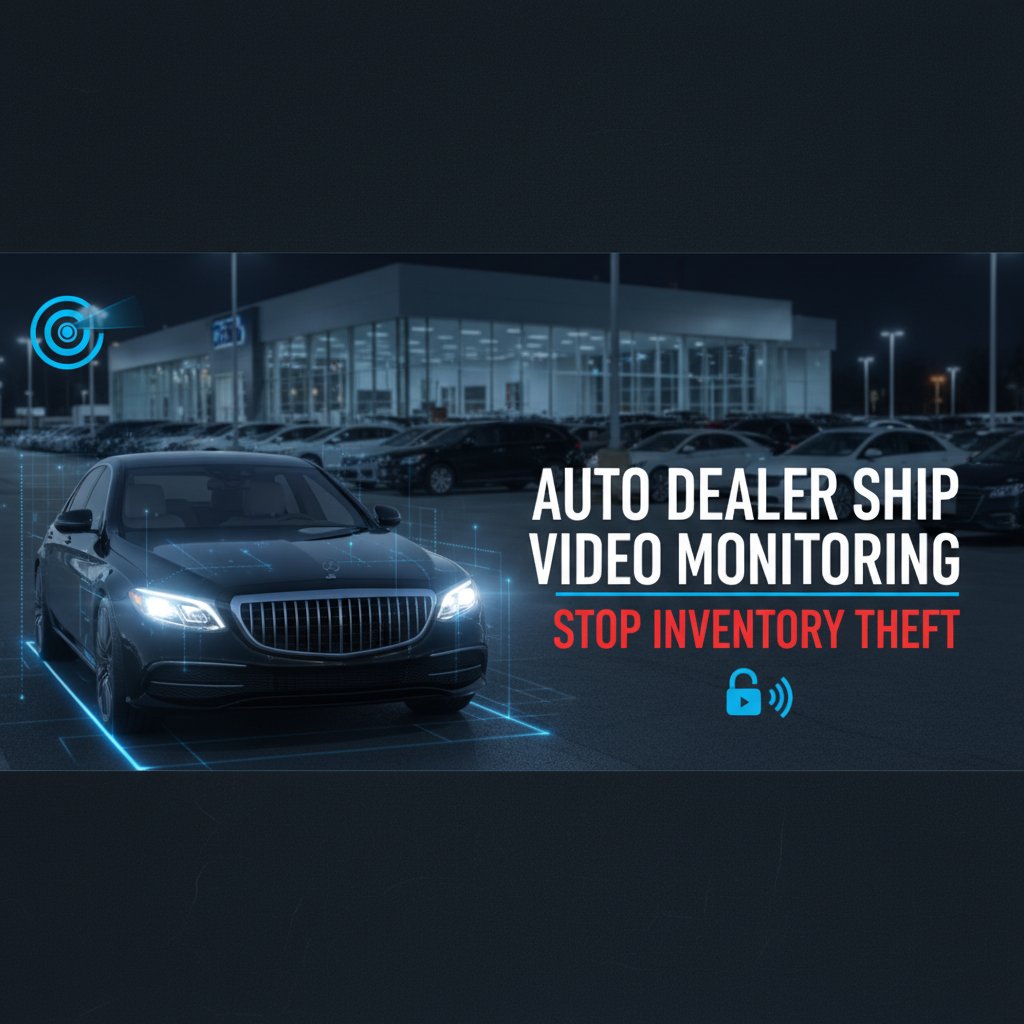
A single night of theft can cost an auto dealership hundreds of thousands of dollars. Across the United States, vehicle theft from dealerships surged by 34% in 2025, with criminals targeting everything from high-end luxury vehicles to catalytic converters and wheels. Unlike traditional surveillance systems that merely record crimes as they happen, modern auto dealership video monitoring provides active intervention that stops theft before vehicles disappear from your lot.
For dealership owners and managers, the stakes extend beyond immediate financial loss. Insurance premiums spike after claims, customer trust erodes when promised vehicles vanish, and employee morale suffers when security feels inadequate. The solution isn’t hiring more expensive security guards to patrol vast lots around the clock—it’s implementing intelligent car dealership security monitoring that combines technology with trained human oversight.
The True Cost of Dealership Inventory Loss
When calculating security investments, many dealership managers focus solely on the sticker price of stolen vehicles. This perspective dramatically underestimates the actual financial impact of inadequate vehicle lot monitoring.
Consider the comprehensive costs: A stolen $65,000 SUV represents lost inventory, but also triggers insurance deductibles averaging $5,000-$10,000, increased premiums that compound over years, lost sales commission, administrative hours filing police reports and insurance claims, and potential liability if the stolen vehicle is used in subsequent crimes. Industry data shows the total cost of a single vehicle theft typically reaches 140-160% of the vehicle’s value when all factors are calculated.
Beyond whole vehicle theft, parts theft has become increasingly sophisticated. Organized groups target dealerships for airbags, navigation systems, wheels, and catalytic converters. These thefts often cause secondary damage that exceeds the value of stolen components—smashed windows, damaged ignition systems, and torn interiors add thousands in repair costs per vehicle.
Why Traditional Security Falls Short at Dealerships
Most dealerships rely on one of two inadequate approaches: passive camera systems or roving security guards. Both have critical limitations that leave inventory vulnerable.
Standard surveillance cameras record everything but prevent nothing. Thieves wearing masks simply ignore cameras, knowing that by the time anyone reviews footage, they’ll be long gone with your inventory. Police departments receive thousands of surveillance videos annually, but recovery rates remain below 15% because recorded evidence alone rarely leads to arrests before vehicles are stripped or shipped overseas.
Physical security guards face different challenges. A single guard cannot effectively monitor a lot containing 200-400 vehicles spread across multiple acres. Criminals watch guard patterns, timing their activities for gaps in patrol routes. The cost compounds quickly—three guards providing 24/7 coverage typically costs $180,000-$250,000 annually, yet still leaves substantial coverage gaps.
How Automotive Security Monitoring Works
Professional dealership theft prevention integrates advanced camera technology with live human monitoring. Unlike passive recording systems, this approach creates active deterrence and immediate intervention.
High-resolution cameras with low-light capabilities cover strategic points across your lot—entrance and exit points, high-value vehicle sections, parts departments, and service areas. These aren’t standard cameras; they’re selected specifically for large outdoor areas with varying lighting conditions that characterize dealership lots.
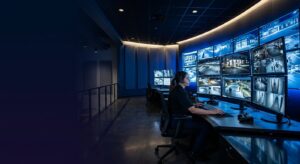
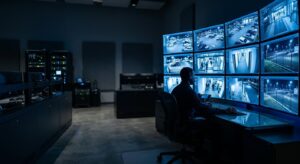
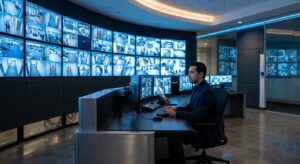
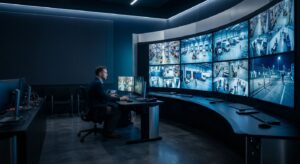
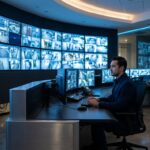
The critical difference lies in the monitoring. Trained security professionals watch these feeds from remote monitoring stations, actively looking for suspicious behavior patterns. When someone jumps your fence at 2 AM, a security operator sees it happening in real-time, not during next morning’s footage review.
The response is immediate and multi-layered. Operators activate on-site speakers to directly address intruders, making it clear they’re being watched. Simultaneously, they dispatch local law enforcement with real-time updates about suspect locations, descriptions, and activities. This coordination means police arrive while crimes are in progress, not hours later.
Real-World Results: Case Study Analysis
A luxury dealership in Texas faced recurring theft problems costing over $400,000 annually in stolen vehicles and parts. After implementing comprehensive auto dealership video monitoring, theft incidents dropped 94% within the first six months.
The turning point came three weeks after installation. At 3:17 AM, monitoring operators spotted two individuals entering the lot through a rear access point. Rather than approaching vehicles immediately, the suspects were conducting reconnaissance—a pattern indicating professional thieves planning a larger operation.
Operators used the audio warning system and simultaneously contacted police. The suspects fled before reaching any vehicles, and police apprehended them two blocks away with tools commonly used in vehicle theft. The dealership prevented not just one theft, but potentially dozens the group had planned.
The financial impact was transformative. The monitoring system cost approximately $3,200 monthly—roughly 15% of what three full-time guards would cost—while providing superior coverage and documented results. Insurance premiums decreased by 18% after demonstrating enhanced security measures.
Strategic Camera Placement for Maximum Coverage
Effective vehicle lot monitoring requires strategic thinking about sight lines, lighting conditions, and criminal behavior patterns. Unlike indoor surveillance, dealership lots present unique challenges including vast open spaces, varying weather conditions, and minimal ambient lighting during critical overnight hours.
Perimeter coverage forms the first defense layer. Cameras positioned along fence lines detect intrusions at entry points, giving maximum response time before suspects reach inventory. These positions should cover gates, fence corners, and any areas where barriers might be compromised.
High-value inventory deserves dedicated coverage. Luxury vehicles, new models, and high-demand trucks should have dedicated camera angles that capture clear facial images and provide license plate visibility of any approaching vehicles.
Service and parts areas need specialized attention. These zones contain valuable components and tools while often having easier access points than main lot areas. Thieves know that airbags, navigation units, and diagnostic equipment can be quickly removed and easily sold.
Lighting Integration for 24/7 Visibility
Camera capabilities mean nothing without adequate lighting. Modern car dealership security monitoring integrates intelligent lighting that enhances visibility without creating excessive energy costs or light pollution complaints from neighboring properties.
Motion-activated lighting in strategic zones serves dual purposes—improving camera image quality and creating psychological deterrence. When lights suddenly illuminate an area where someone is moving, it signals detection and often prompts immediate retreat.
Analytics and Pattern Recognition
Advanced dealership theft prevention systems now incorporate analytics that identify suspicious patterns human operators might miss during routine monitoring.
Loitering detection alerts operators when individuals remain in specific areas beyond normal timeframes. Someone standing near your high-end inventory section for fifteen minutes at midnight warrants attention, even if they haven’t taken any action yet.
Vehicle recognition technology tracks which cars enter and exit your lot, creating databases that flag unauthorized vehicle movements. If a car from your inventory starts moving at 4 AM when the dealership is closed, the system triggers immediate alerts.
These analytics don’t replace human judgment—they enhance it. Trained operators receive prioritized alerts about highest-probability threats, allowing them to focus attention where it matters most across multiple client sites.
Insurance and Liability Benefits
Beyond theft prevention, comprehensive automotive security monitoring reduces insurance costs and liability exposure. Insurance providers recognize that active monitoring substantially reduces risk compared to passive recording systems.
Many dealerships report premium reductions of 12-25% after implementing professional monitoring services. Insurers value the documented deterrence, rapid response capabilities, and detailed incident records these systems provide. Some carriers now require enhanced security measures for dealerships in high-theft areas, making professional monitoring not just beneficial but necessary for coverage.
Liability protection extends to premises liability claims. If someone is injured on your property, video documentation of conditions and circumstances provides critical evidence. Remote operators can also summon emergency services immediately if they observe accidents or medical emergencies on your lot.
Employee Safety and Customer Confidence
Security monitoring protects more than inventory—it safeguards your most valuable asset: your people. Sales staff working late to close deals, service technicians arriving for early shifts, and managers conducting end-of-day procedures all face potential risks on large, partially isolated lots.
Professional monitoring provides employee escorts via camera tracking and voice communication. A salesperson walking to their vehicle at 9 PM can request monitoring attention, with operators watching their path and ready to respond to any concerns. This visible commitment to safety improves recruitment, retention, and morale.
Customers notice security measures too. Visible cameras combined with professional monitoring signage communicates that you invest in protection. Buyers leaving in new $70,000 vehicles appreciate knowing the dealership takes security seriously.
Cost Analysis: Monitoring vs. Traditional Security
Financial decision-makers need clear ROI data when evaluating security investments. Auto dealership video monitoring delivers superior results at a fraction of traditional security costs.
Three full-time security guards providing 24/7 coverage cost approximately $210,000 annually when accounting for wages, benefits, training, and management overhead. These guards provide limited coverage across large lots, cannot be in multiple places simultaneously, and introduce liability concerns related to confrontations.
Professional remote monitoring typically costs $2,500-$4,500 monthly depending on lot size and camera quantity—roughly $30,000-$54,000 annually. This investment provides continuous coverage of all monitored areas simultaneously, immediate police coordination, detailed incident documentation, and zero liability for physical confrontations.
The savings become even more compelling when factoring in prevented losses. A single theft of a high-end vehicle prevented pays for months of monitoring service. Most dealerships achieve positive ROI within 60-90 days of implementation.
Implementation Considerations
Transitioning to professional vehicle lot monitoring requires planning but shouldn’t disrupt operations. Experienced providers conduct site assessments to identify optimal camera locations, existing infrastructure that can be utilized, and specific vulnerabilities unique to your property layout.
Installation typically occurs over 2-3 days, scheduled to minimize interference with sales and service operations. Many dealerships schedule installation during slower periods or handle sections sequentially to maintain business continuity.
Integration with existing systems often surprises dealership managers with its simplicity. Modern monitoring platforms can incorporate current cameras if they meet resolution and connectivity standards, reducing overall investment requirements.
Choosing the Right Monitoring Partner
Not all security monitoring services deliver equivalent results. When evaluating providers, prioritize those with specific automotive dealership experience who understand the unique challenges of large outdoor lots with high-value inventory.
Ask about operator training and response protocols. Your monitoring team should understand dealership operations, recognize normal versus suspicious activities specific to automotive environments, and maintain established relationships with local law enforcement.
Verify monitoring is truly 24/7/365 with redundant systems. Some providers claim continuous monitoring but actually use motion-triggered recording with periodic check-ins. Genuine protection requires constant human oversight, especially during high-risk overnight hours.
Taking Action to Protect Your Investment
Every night your dealership operates without professional monitoring is a night you’re gambling with hundreds of thousands of dollars in inventory. The question isn’t whether you can afford comprehensive auto dealership video monitoring—it’s whether you can afford to continue without it.
Digital Security Guard specializes in automotive security monitoring with proven theft prevention results across dealerships nationwide. Our trained operators provide 24/7 coverage, immediate threat response, and seamless law enforcement coordination that protects your inventory, employees, and bottom line.
Stop waiting until theft becomes your problem. Contact Digital Security Guard today at 800-829-7459 to schedule a comprehensive security assessment and discover how professional monitoring can transform your dealership’s protection while reducing costs compared to traditional security approaches.