Security decision-makers face constant pressure to reduce costs while maintaining—or improving—protection. When budgets tighten and theft losses mount, the question becomes unavoidable: do remote video services actually prevent crime, or are they just another technology promising more than they deliver?
The answer lies in understanding what separates true crime deterrence from passive recording. Traditional surveillance cameras capture footage for after-the-fact investigation. Remote video services with live monitoring create an entirely different security model—one that stops criminals before they strike rather than identifying them afterward.
The Economics of Crime Prevention
Property crime costs American businesses over $16 billion annually, according to FBI statistics. Construction sites lose approximately $1 billion yearly to theft and vandalism alone. For property managers and facility operators, these aren’t abstract numbers—they represent stolen equipment, insurance claims, operational disruptions, and damaged reputation.
Traditional security approaches offer two main options: physical security guards or passive camera systems. Physical guards cost between $40,000 and $80,000 annually per position when accounting for wages, benefits, insurance, and scheduling multiple shifts for 24/7 coverage. Passive cameras might record crimes, but they rarely prevent them.
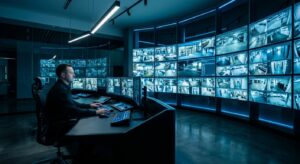
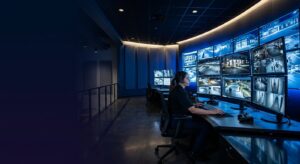
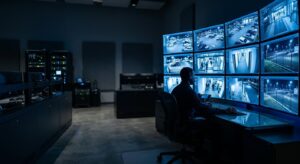
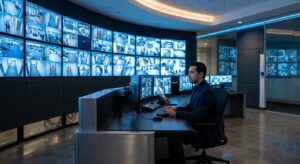
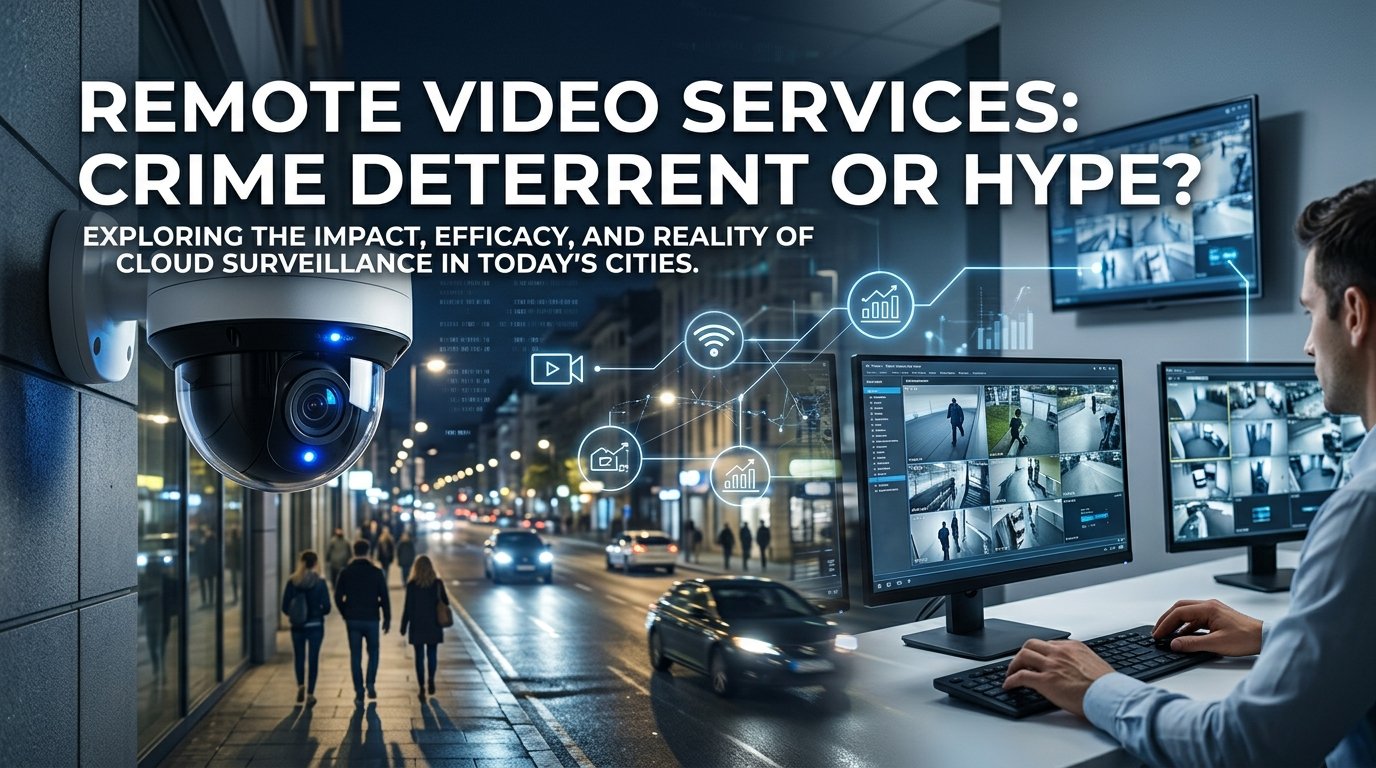
Remote video services bridge this gap by combining camera infrastructure with trained security professionals monitoring feeds from centralized facilities. This model delivers continuous human oversight at a fraction of physical guard costs—typically 40-60% less expensive while covering more ground simultaneously.
How Remote Surveillance Services Actually Deter Crime
Crime deterrence requires three essential elements: detection, intervention, and consequence. Passive cameras provide only potential consequence through forensic evidence. Remote video services deliver all three components in real-time.
Active Detection and Response
When trained operators monitor your property through virtual video security services, they identify suspicious behavior as it develops. An individual testing door handles at 2 AM, someone scaling a fence, or a vehicle circling repeatedly—these patterns trigger immediate response protocols before escalation occurs.
Operators can activate two-way audio systems to issue direct warnings, making criminals aware their actions are observed. This immediate human interaction fundamentally changes the risk calculation for would-be thieves. They’re no longer operating unnoticed; they’re confronting active opposition.
Integration with Local Response
24/7 remote video services maintain direct connections with law enforcement and on-site personnel. When incidents require physical intervention, operators dispatch authorities with detailed suspect descriptions, precise locations, and real-time updates. Police respond faster and more effectively when arriving with actionable intelligence rather than vague alarm calls.
At a major auto dealership in Texas, remote monitoring operators detected three individuals attempting to steal high-value trucks from their lot. Within 90 seconds, operators issued warnings through the audio system and contacted local police with descriptions and exact locations. Law enforcement arrived while suspects were still on property, resulting in arrests and recovery of stolen property—a clear example of prevention rather than documentation.
Industry-Specific Crime Prevention Applications
Different properties face unique security vulnerabilities. Remote video services adapt to these specific challenges more effectively than one-size-fits-all solutions.
Construction Sites
Construction theft peaks during night and weekend hours when sites sit empty. Copper wire, power tools, and heavy equipment disappear regularly from unprotected locations. Remote surveillance services provide continuous monitoring during vulnerable periods, with operators tracking perimeter breaches and unauthorized vehicle access. Many construction managers report theft reduction exceeding 80% after implementing monitored systems.
Retail Properties
Retail locations balance customer accessibility with security concerns. Remote monitoring supplements on-site staff by watching parking lots, rear entrances, and after-hours activity. Operators can identify aggressive behavior, suspicious loitering, or coordinated theft attempts, alerting store management before situations escalate into violence or significant losses.
Apartment Complexes and Residential Communities
Property managers at apartment complexes carry responsibility for resident safety while managing tight operational budgets. Virtual video security services monitor common areas, parking structures, entry gates, and amenity spaces. This visible security presence deters property crime while documenting incidents for liability protection—a critical concern as premises liability lawsuits increase nationwide.
Auto Dealerships
Dealership lots contain millions in inventory displayed outdoors 24 hours daily. Catalytic converter theft, vehicle break-ins, and organized theft rings target these high-value properties systematically. Crime prevention technology combined with human monitoring creates layered security that static cameras cannot match. Operators track suspicious vehicles, monitor test-drive returns, and ensure lot security during vulnerable overnight hours.
The Human Element in Technology-Based Security
Technology enables remote monitoring, but trained security professionals provide its effectiveness. Artificial intelligence and motion detection generate countless alerts, many triggered by animals, weather, or harmless activity. Human operators apply judgment, experience, and pattern recognition to distinguish genuine threats from false alarms.
This human oversight proves especially valuable in ambiguous situations requiring nuanced assessment. Is someone lost or casing your property? Is that authorized maintenance or unauthorized access? Experienced security operators make these determinations instantly, applying appropriate responses rather than generating unnecessary police dispatches.
Measuring Deterrence: Evidence Beyond Anecdote
Quantifying crime that didn’t happen presents obvious challenges, but several metrics demonstrate deterrent effectiveness:
- Theft Loss Reduction: Properties implementing remote video services typically report 60-90% decreases in theft-related losses within the first year
- Insurance Claims: Fewer incidents mean fewer claims, often resulting in reduced insurance premiums that offset monitoring costs
- Trespassing Incidents: Documented decreases in unauthorized access as word spreads among local criminal networks that properties are actively monitored
- Response Effectiveness: Higher arrest and prosecution rates when incidents occur, as operators provide evidence and real-time intelligence
A warehouse complex in Georgia tracked security incidents for three years before implementing remote surveillance services, then three years after. Theft incidents dropped from 23 annually to just two. Vandalism decreased from 15 incidents to zero. The ROI calculation showed the monitoring service paid for itself within four months through prevented losses alone.
Limitations and Realistic Expectations
Remote video services significantly reduce crime but don’t eliminate all risk. Understanding limitations prevents disappointment and helps set appropriate expectations.
Camera coverage requires strategic placement. Blind spots, lighting conditions, and physical obstructions affect monitoring effectiveness. Professional site assessments identify optimal camera positioning, but no system covers every angle simultaneously.
Response time depends on available intervention options. Remote operators can warn intruders and contact authorities, but physical response requires either law enforcement or on-site personnel. In rural areas with limited police coverage, response times may allow criminals to flee before authorities arrive.
Determined criminals using sophisticated methods may defeat security measures. However, criminals typically seek easy targets. Properties with visible monitoring, audio warnings, and active response systems get passed over for less-protected alternatives.
Cost-Benefit Analysis for Decision Makers
Security investments compete with other operational priorities. Remote monitoring justifies its cost through multiple value streams:
- Direct Loss Prevention: Reduced theft, vandalism, and property damage
- Operational Continuity: Fewer disruptions from security incidents
- Insurance Benefits: Lower premiums and reduced claim frequency
- Liability Protection: Documented security measures and incident response
- Employee Safety: Faster response to workplace violence or medical emergencies
- Evidence Quality: Professional documentation supporting investigations and prosecutions
When compared to physical guard costs, 24/7 remote video services typically cost 50-70% less while covering larger areas with consistent quality. Unlike human guards who patrol specific routes on predictable schedules, remote operators monitor multiple locations simultaneously, switching focus based on activity and risk assessment.
Implementation Best Practices
Maximizing deterrent effectiveness requires more than installing cameras and contracting monitoring services. Successful implementations share common characteristics:
Visible Signage: Clear notices informing visitors that properties receive live monitoring increase deterrent impact. Criminals avoid locations where their actions face immediate observation.
Strategic Camera Placement: Professional site surveys identify high-risk areas, entry points, and valuable asset locations requiring priority coverage.
Audio Warning Systems: Two-way communication capabilities allow operators to issue direct warnings, dramatically increasing intervention effectiveness.
Coordinated Response Protocols: Established procedures connecting monitoring operators with law enforcement, on-site staff, and management ensure rapid, appropriate responses.
Regular System Testing: Scheduled verifications confirm cameras function properly, sightlines remain clear, and communication systems work effectively.
Beyond Hype: Real Security or Marketing Exaggeration?
The security industry generates plenty of hype around new technologies. Separating genuine innovation from marketing exaggeration requires examining actual results and understanding operational mechanics.
Remote video services aren’t revolutionary—they’re evolutionary improvements over existing security models. The technology itself—IP cameras, cloud storage, network connectivity—has existed for years. The innovation lies in combining these technologies with trained human operators to create proactive rather than reactive security.
Properties implementing monitored remote surveillance services experience measurable improvements in security outcomes. The evidence base spans thousands of installations across diverse property types and geographic locations. This isn’t theoretical—it’s documented, repeatable crime reduction.
Making the Right Choice for Your Property
Remote video services deliver genuine crime deterrence when properly implemented with professional monitoring. They’re not magic solutions eliminating all security concerns, but they’re powerful tools significantly reducing property crime at reasonable costs.
For property owners, facility managers, and security decision-makers, the question isn’t whether remote monitoring works—evidence confirms it does. The question is whether your property’s security challenges, budget constraints, and operational requirements align with this security model’s strengths.
Digital Security Guard specializes in remote video monitoring that actively prevents crime rather than passively recording it. Our trained security professionals watch your property 24/7, intervening in real-time to stop incidents before losses occur. We help commercial and residential properties reduce theft, protect employees, and lower security costs compared to traditional guard services.
Contact Digital Security Guard today for a consultation on how remote surveillance services can address your specific security challenges. Learn how properties like yours have reduced crime, cut security expenses, and gained peace of mind through professional remote monitoring.