Remote video monitoring for retail stores combines live surveillance cameras with trained security professionals watching your property 24/7 — not just recording incidents after they happen. For retail managers and property owners evaluating security options, this approach offers proactive crime deterrence, reduced theft, and significant cost advantages over traditional on-site guards, without sacrificing coverage or response capability.
- Remote video monitoring uses trained human monitors — not just automated alerts — to watch your retail space in real time and intervene before incidents escalate.
- Live video surveillance deters theft and vandalism by responding actively, often with audio warnings, rather than passively recording events.
- Compared to on-site security personnel, remote monitoring delivers broad coverage at a significantly lower operational cost.
- The right system for a retail store includes strategic camera placement, two-way audio, sufficient lighting, and professional 24/7 monitoring.
- Retail-specific risks — shoplifting, after-hours break-ins, employee safety incidents — each require tailored monitoring strategies.
Why Retail Stores Need More Than Cameras
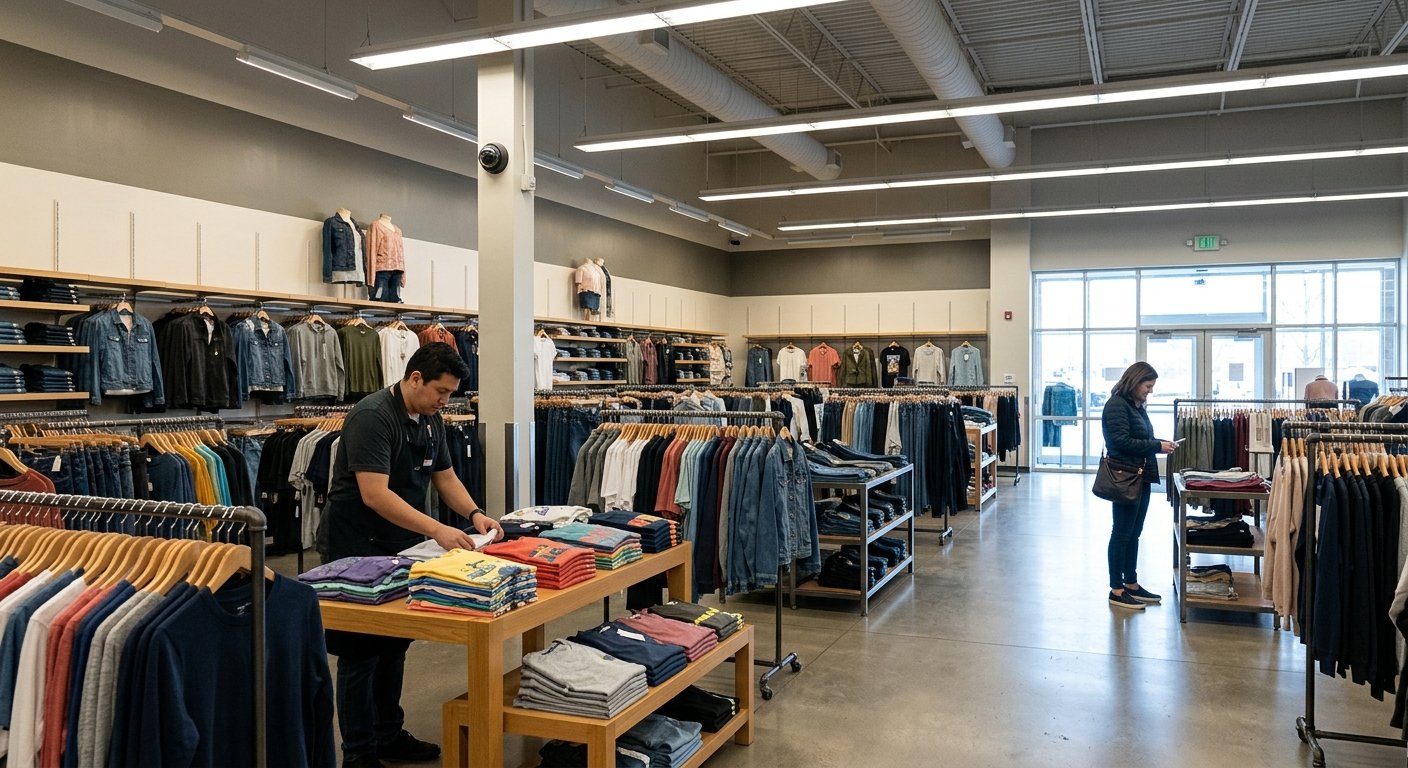
Many retail businesses invest in camera systems expecting security — and end up with footage. There is a meaningful difference between recording what happens and preventing it. According to the National Retail Federation’s 2023 National Retail Security Survey, retail shrink — losses from theft, fraud, and error — cost U.S. retailers an estimated $112.1 billion in 2022. That figure reflects the scale of the problem facing store owners nationwide.
Passive camera systems capture incidents but cannot stop them. A monitor with no one watching it does not deter a determined shoplifter or respond when an employee is confronted after hours. This is where remote video monitoring fundamentally changes the equation — by placing trained security professionals behind the cameras, watching in real time, and intervening actively when something looks wrong.
How Remote Video Monitoring Works in a Retail Setting
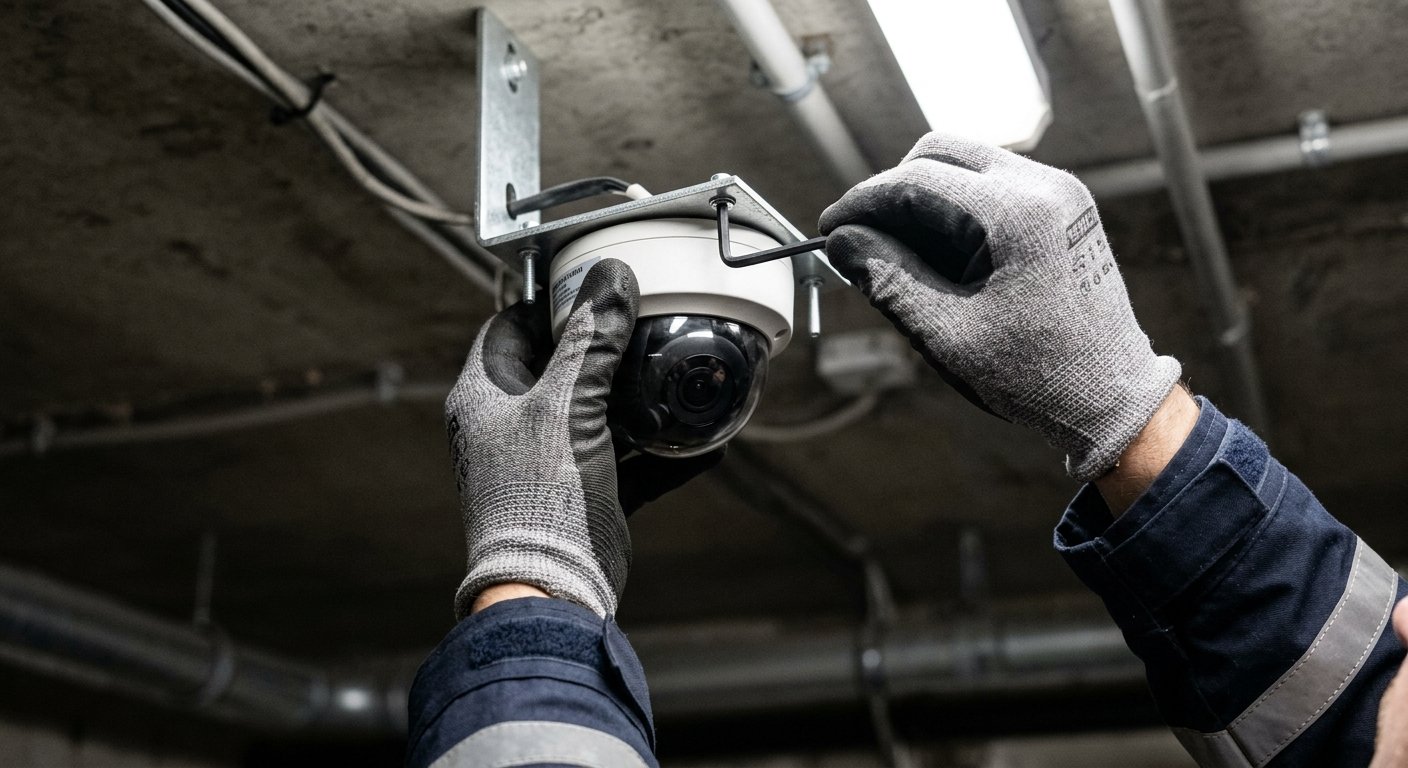
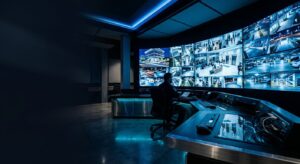
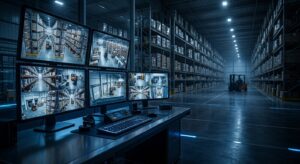
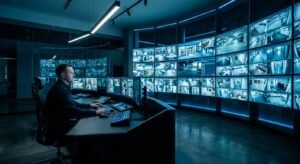
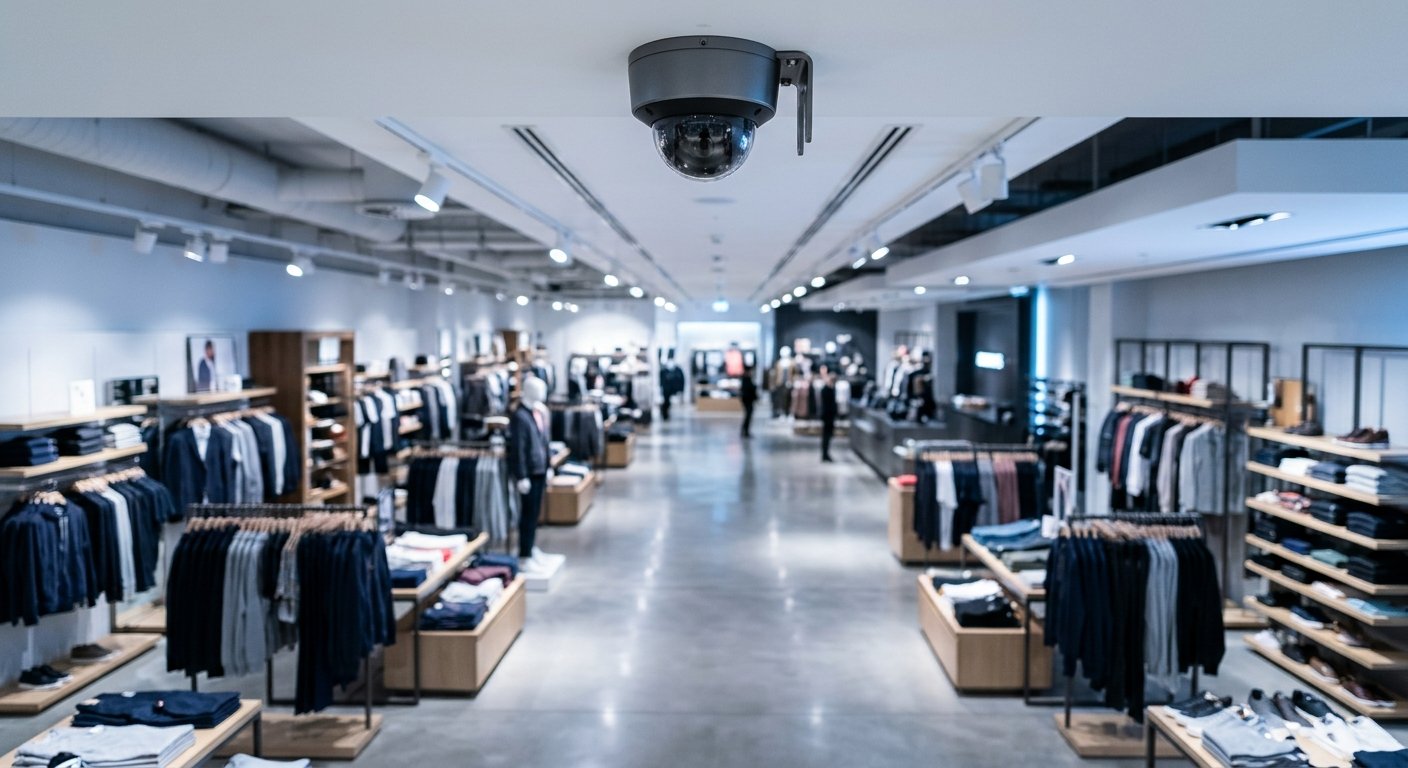
The model is straightforward in concept but sophisticated in execution. Cameras are installed throughout your retail space — entry and exit points, the sales floor, stockrooms, parking areas, and loading docks. That camera footage streams continuously to a professional monitoring center staffed by trained security personnel around the clock.
When monitors observe suspicious behavior — someone concealing merchandise, loitering near a register, or forcing entry after hours — they can respond through several channels. Most systems include two-way audio, allowing the monitoring professional to issue an audible warning directly through on-site speakers. In parallel, they can alert local law enforcement with live video evidence already in hand, giving responders context before they arrive on scene.
The deterrent value of live monitoring is often underestimated. When a would-be shoplifter or burglar hears a real voice addressing them by behavior — “We see you concealing merchandise in aisle four” — the psychological impact is far greater than a camera light blinking silently. Deterrence, not documentation, is the goal.
This active intervention model is what separates professional remote monitoring from a simple DVR setup. The human element is what makes it work — and it is why retailers increasingly treat this as a business operations decision, not just a technology purchase.
What to Look for in a Retail Monitoring System
Camera Coverage and Placement
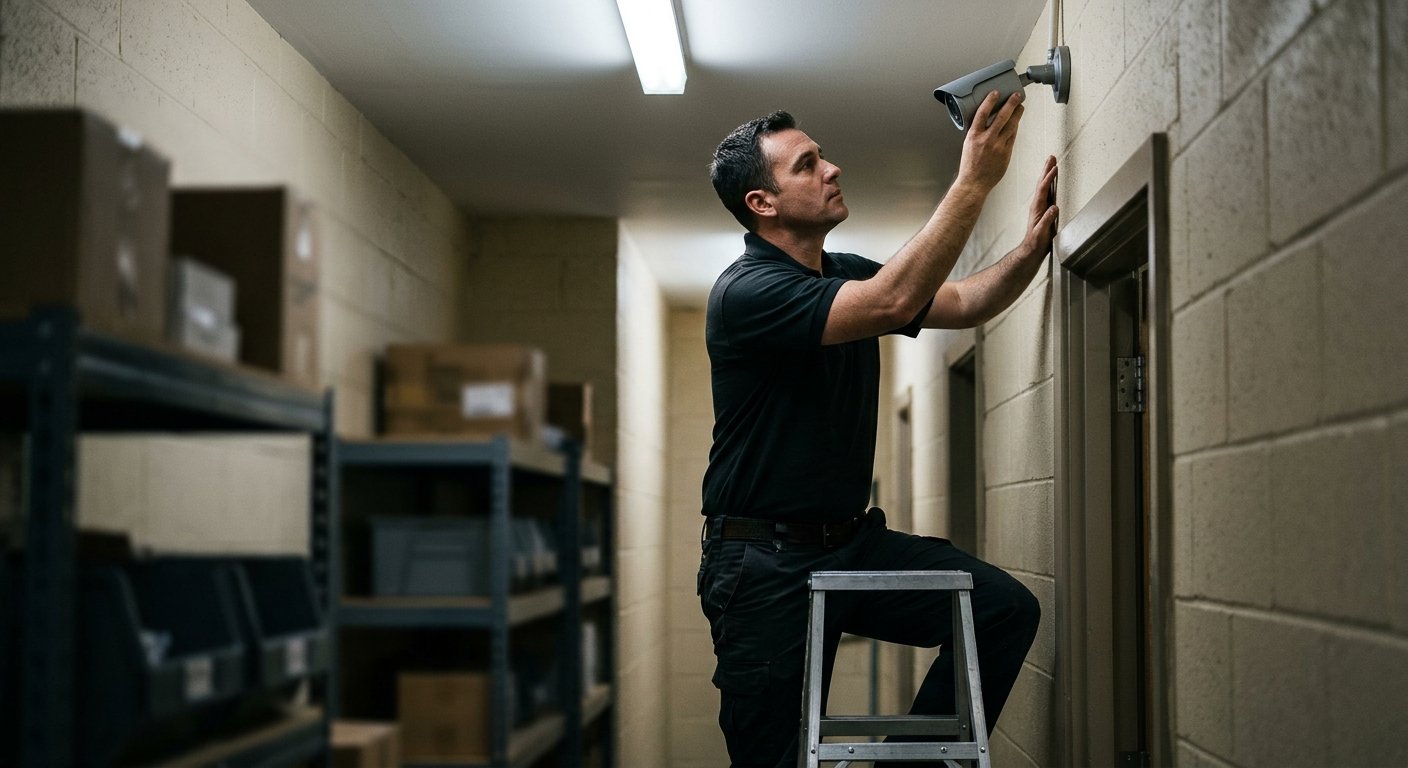
Effective retail store video monitoring starts with thoughtful camera placement. High-risk zones — blind corners, fitting rooms (exterior only), stockroom entrances, cash wrap areas, and parking lot perimeters — should be prioritized. For most retail environments, a combination of wide-angle and focused cameras provides both broad situational awareness and the detail needed to identify individuals and actions clearly.
Lighting Compatibility
Cameras are only as useful as the images they produce. Lighting conditions inside and around your store directly affect image quality, especially during evening hours. Modern systems use cameras designed for low-light environments or integrate infrared and thermal imaging to maintain visibility when ambient lighting is reduced. A monitoring solution that performs well at 2 a.m. is a fundamentally different product than one designed only for daytime retail hours.
Two-Way Audio Capability
Audio is a non-negotiable feature for proactive monitoring. Without it, remote security professionals are limited to watching and alerting. With it, they can actively engage, warn, and de-escalate — often resolving a situation before it becomes an incident requiring emergency response.
24/7 Professional Monitoring
Technology without human oversight is still passive. The monitoring center behind your system matters as much as the cameras themselves. Retail stores face different threat profiles at different hours — shoplifting peaks during business hours, while break-ins and vandalism concentrate overnight and on weekends. Consistent 24/7 video monitoring with no gaps in coverage is the standard any serious security partner should meet.
Security Assessment
A thorough walkthrough of your retail space identifies coverage gaps, blind spots, and high-risk zones that require priority monitoring.
Camera Deployment
Cameras are positioned to cover critical areas — entry points, sales floor, stockroom, parking — with appropriate overlap to eliminate dead zones.
Monitoring Center Integration
Live feeds connect to a professional monitoring center where trained staff watch activity, recognize threats, and respond in real time.
Active Intervention
When suspicious activity is detected, monitors issue audio warnings, document evidence, and coordinate with law enforcement as needed.
Ongoing Review and Optimization
Incident reports and footage reviews allow for continuous refinement of camera positions, schedules, and response protocols.
Remote Monitoring vs. On-Site Security Guards
For many retail managers, the comparison between remote monitoring and traditional on-site security guards drives the final decision. Both approaches have legitimate roles, but they serve different operational realities.
| Factor | Remote Video Monitoring | On-Site Security Guard |
|---|---|---|
| Coverage hours | 24/7 without shift changes | Limited by staffing and shift costs |
| Coverage area | Multiple zones simultaneously | One location at a time |
| Cost structure | Lower monthly operational cost | Higher labor costs including benefits |
| Response method | Audio intervention + law enforcement coordination | Physical presence and direct engagement |
| Evidence capture | Continuous video documentation | Incident report-dependent |
| Scalability | Easily expanded across locations | Each location requires additional staff |
The practical advantage of remote monitoring for retail is coverage breadth at sustainable cost. A single monitoring professional can oversee multiple camera feeds across your entire store — and even across multiple locations — simultaneously. That breadth of coverage is structurally impossible with on-site personnel. For multi-location retail operators, this scalability is especially compelling. Retailers with questions about managing security across large properties with high-value assets may also find value in reviewing common monitoring mistakes documented for similar commercial applications, such as how auto dealership managers approach video monitoring decisions — many of the pitfalls apply equally to retail environments.
A monitor watching twelve camera feeds catches what a single guard walking the floor cannot — and responds without ever leaving the post.
Retail-Specific Security Scenarios Worth Anticipating
Retail environments present a distinct mix of security challenges that a well-designed monitoring strategy should address directly.
Shoplifting during business hours: The most common retail loss event. Live video surveillance with audio capability allows monitors to address suspicious behavior in real time, often before merchandise leaves the store.
After-hours break-ins: Burglaries typically occur when no staff are present. Remote monitoring provides continuous overnight coverage, with immediate law enforcement notification and live video to guide responders.
Employee safety incidents: Confrontations, medical events, or threatening customers create liability and safety risks. Monitors can dispatch help quickly and maintain documentation of the incident as it unfolds.
Parking lot incidents: Theft from vehicles, assault, or vandalism in retail parking areas directly affects customer perception and liability exposure. Extending camera coverage to the perimeter is a straightforward way to reduce this risk. For retailers with broader commercial security needs across their full property footprint, a comprehensive remote monitoring plan can address both interior and exterior zones within a single service agreement.
Visible cameras and on-site signage noting that the property is actively monitored by live security professionals serve as a deterrent before any incident begins. The goal is prevention — and perception of active monitoring changes behavior at the point of entry, not after the fact.
Frequently Asked Questions
Is remote video monitoring effective for small retail stores, or only large chains?
Remote monitoring scales effectively across retail operations of any size. Small independent retailers often benefit most because they typically cannot justify the cost of dedicated on-site security staff. A monitoring solution provides professional-grade coverage without the overhead of a full-time employee, making it accessible and cost-effective at any scale.
What happens when a monitor sees something suspicious?
Trained monitoring professionals follow established response protocols. Typically, this begins with an audio warning through on-site speakers, which resolves many situations immediately. If the behavior continues or involves an active crime, monitors escalate to alerting local law enforcement — with live footage available to provide responding officers with real-time situational awareness.
Can remote monitoring help with employee safety in addition to theft prevention?
Yes. Monitoring professionals watch for incidents involving staff — confrontational customers, medical emergencies, or after-hours safety concerns — and can dispatch emergency services immediately. Video documentation also supports workplace incident reporting and liability protection when needed.
How does live video surveillance differ from a standard camera system?
A standard camera system records footage for review after an incident. Live video surveillance involves trained professionals actively watching feeds as events unfold, allowing for real-time intervention rather than post-incident documentation. The distinction is the difference between a witness and a responder.
Does remote monitoring work for multi-location retail operations?
Remote monitoring is particularly well-suited to multi-location retail because the same monitoring center can cover multiple properties simultaneously. Centralized oversight means consistent security standards across all locations without multiplying on-site staffing costs at each site.
Making the Right Security Investment for Your Retail Store
Retail security decisions involve trade-offs between coverage, cost, and capability. The question for most managers is not whether to invest in monitoring, but which approach delivers the most reliable protection at a sustainable cost. The Cybersecurity and Infrastructure Security Agency’s guidance on physical security consistently emphasizes layered security approaches — and professional remote monitoring represents one of the most efficient layers available to commercial property operators today.
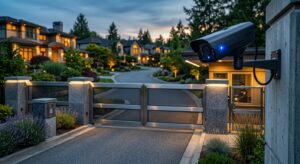
For retailers evaluating their options in 2026, the value proposition of remote monitoring is clear: broader coverage, active deterrence, professional human judgment, and documented incident response — without the operational burden of on-site staffing. For properties with additional community or residential security dimensions, gated community video monitoring solutions follow a similar model and demonstrate how the same technology serves diverse property types effectively.
Talk to a Retail Security Specialist
Digital Security Guard provides 24/7 live monitoring by trained security professionals for retail stores nationwide — contact us to discuss a monitoring plan built around your specific property and risk profile.

About Digital Security Guard
Digital Security Guard provides remote video monitoring solutions for commercial and residential property owners seeking proactive crime prevention rather than reactive recording. Combining advanced security technology with trained human monitoring professionals, they deliver 24/7 surveillance services that prevent theft, vandalism, and liability issues at a fraction of the cost of on-site security guards. Their solutions serve diverse property types including construction sites, retail stores, auto dealerships, apartment complexes, and gated communities across the nation. Visit digitalsecurityguard.com →