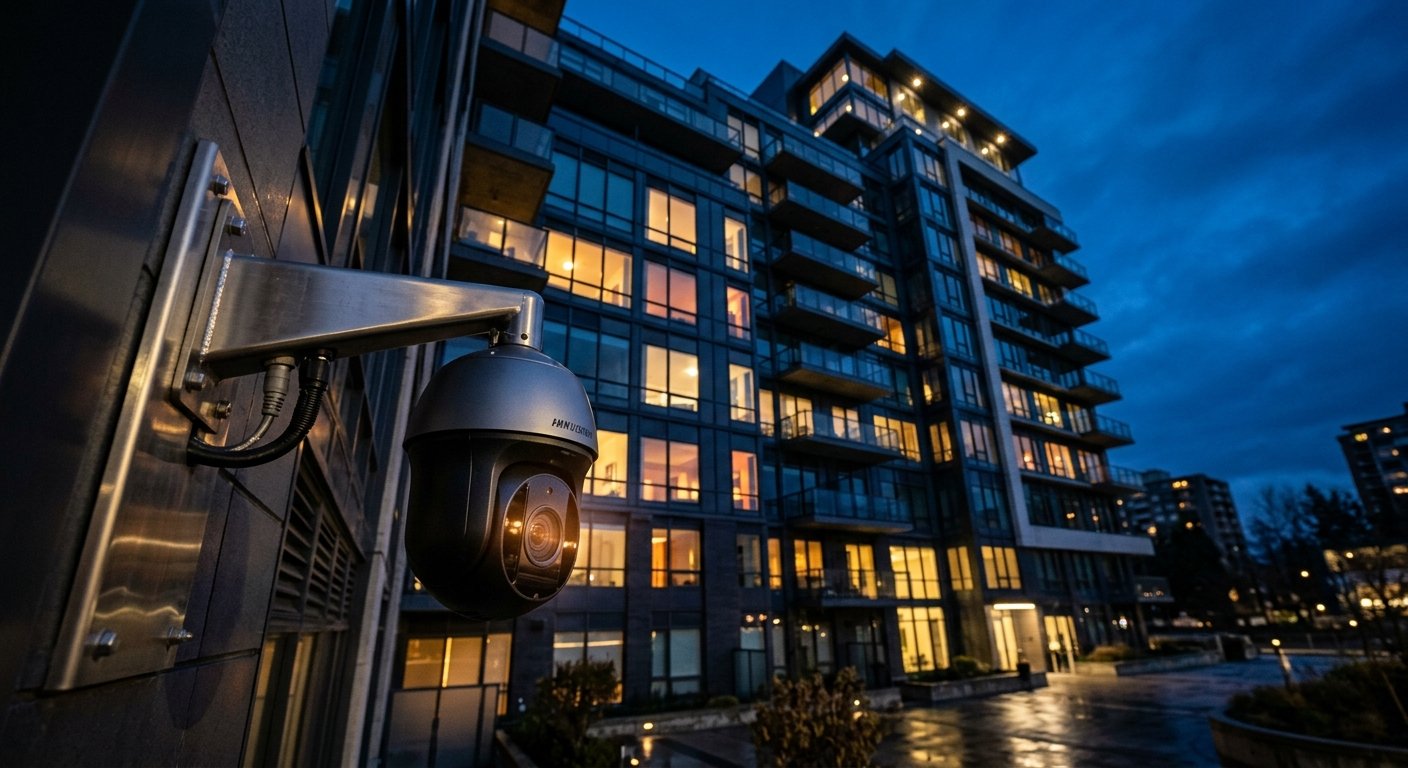
Apartment complex managers face a security paradox: residents expect a safe community, but the cost of providing that safety can erode property profitability. According to the FBI’s Uniform Crime Reporting data, residential properties account for a significant portion of reported property crimes annually—and apartment complexes, with their high foot traffic, multiple access points, and rotating tenant base, are particularly vulnerable targets.
The traditional solution—hiring on-site security guards—runs between $50,000 and $100,000+ per year per guard when you factor in wages, benefits, training, and turnover. For most property managers, that math simply doesn’t work. That’s where remote video monitoring for apartment complexes changes the equation entirely.
What Remote Video Monitoring Actually Means
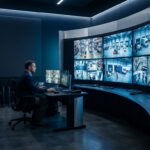
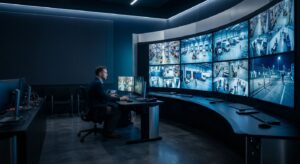
Remote video monitoring isn’t simply installing cameras and letting footage collect on a server. It’s an active, human-driven security solution. Trained security professionals monitor live camera feeds from a central operations center—watching your property in real time, around the clock, and intervening when suspicious activity is detected.
When a monitor spots a problem—someone tailgating through a secured entrance, loitering near vehicles in the parking lot, or attempting to break into a storage unit—they can issue a live audio warning through on-site speakers, contact local authorities, and document the incident immediately. This proactive approach stops incidents before they escalate, rather than simply recording them for review after the damage is done.
This is the core difference between passive surveillance and genuine remote video monitoring: one deters crime, the other just documents it.
The Real Security Challenges at Apartment Complexes
Property managers dealing with apartment complex security typically face the same recurring pain points, regardless of property size or location:
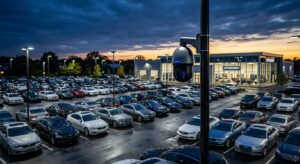
- Parking lot theft and vandalism: Vehicles are among the most targeted assets at any residential complex. Without active monitoring, thieves can work undisturbed for extended periods.
- Unauthorized access: Tailgating through gated entrances and propped doors allows non-residents to enter secured areas—creating safety risks and liability exposure.
- Package theft: With e-commerce at an all-time high, package theft at mail rooms and front entrances has become a consistent complaint from residents.
- Common area incidents: Pool areas, fitness centers, and laundry rooms are common sites for disturbances, property damage, and safety incidents after hours.
- Lease violations and liability: Unauthorized parties, smoking violations, and after-hours access to restricted amenities create both safety and legal exposure for property owners.
Each of these problems shares a common thread: they tend to happen when no one is watching, or when passive cameras provide no real deterrent effect. Remote surveillance monitoring addresses each scenario with eyes that are always open and trained professionals ready to respond.
How 24/7 Video Monitoring Protects Residents and Property
Deterrence Before Damage Occurs
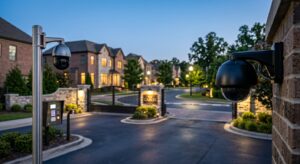
Visible cameras combined with signage indicating active monitoring create a powerful deterrent effect. Opportunistic criminals—who make up the vast majority of property crime offenders—choose easier targets when they know someone is watching in real time. This shifts criminal attention away from monitored properties entirely.
Live Intervention Capabilities
The most valuable feature of residential video monitoring services is the ability to intervene before crimes are completed. When a monitoring professional spots someone attempting to break into a vehicle or vandalize a fence, a live audio warning—”Attention: You are being monitored. Please leave the premises immediately”—is often enough to end the situation on the spot. If the behavior continues, authorities are contacted with a real-time description and documented footage.
Community Access Control Monitoring
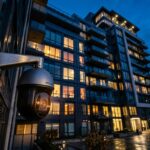
Modern apartment security demands more than cameras. Community access control monitoring integrates with gate systems, intercoms, and keycard access points to give monitoring professionals full visibility over who enters and exits the property. Suspicious access patterns—such as repeated failed entry attempts or credentials used at unusual hours—can be flagged and addressed before they become security events.
For communities that already have gated entrances, this layer of virtual security monitoring can dramatically improve access control without adding staffing costs. Learn how this applies to larger residential communities in our detailed guide to gated community video monitoring.
After-Hours Amenity Monitoring
Pool areas, clubhouses, and fitness centers are valuable amenities—and significant liability risks after hours. Remote monitoring allows these spaces to remain under active watch without requiring a physical security presence. When unauthorized use is detected, monitors can issue warnings, log the violation, and notify property management immediately.
Cost Comparison: Remote Monitoring vs. On-Site Guards
The financial case for remote video monitoring is compelling, especially for budget-conscious property managers. Consider a typical apartment complex that operates around the clock:
- On-site security guard (single shift): $18–$25 per hour. Covering three shifts, 365 days a year, equals $157,000–$219,000 annually—before accounting for supervision, benefits, or backup coverage.
- Remote video monitoring: A fraction of that cost, often 50–80% less than the equivalent on-site staffing. One remote monitoring center can cover multiple camera feeds across multiple properties simultaneously.
Beyond the direct cost savings, remote monitoring reduces liability exposure from incidents that occur without documentation, protects the property from damage costs associated with vandalism and theft, and can positively influence insurance underwriting conversations when you demonstrate a proactive security posture.
According to the Bureau of Justice Statistics, property crime carries an average financial loss per incident that adds up quickly across a multi-unit property. Preventing even a handful of incidents per year can offset the cost of monitoring services entirely.
What to Look for in a Residential Security Monitoring Provider
Not all monitoring services are equal. When evaluating providers for your apartment complex, ask these key questions:
- Are human security professionals monitoring live feeds, or is it primarily automated software with alerts?
- Is monitoring available 24 hours a day, 7 days a week, including holidays?
- How are incidents documented, and how quickly is property management notified?
- Can the system integrate with existing access control, intercoms, or gate systems?
- Is nationwide coverage available if you manage properties in multiple locations?
Digital Security Guard’s 24/7 live monitoring by trained security professionals addresses all of these requirements. Unlike automated-only systems, real human judgment is applied to every flagged situation—reducing unnecessary dispatches while ensuring genuine threats get an appropriate response.
Applications Across Property Types
The same remote monitoring infrastructure that protects apartment complexes is equally effective across commercial properties. Commercial remote video monitoring serves retail stores, auto dealerships, construction sites, and warehouses with the same proactive approach. If you manage a mixed-use property or a portfolio that includes commercial and residential assets, a single monitoring solution can serve the entire portfolio efficiently.
Frequently Asked Questions
How does remote video monitoring differ from a standard security camera system?
Standard security cameras record footage passively—they capture what happens, but no one reviews that footage until after an incident occurs. Remote video monitoring connects those cameras to a team of trained security professionals who watch live feeds in real time, respond to suspicious activity as it unfolds, issue on-site audio warnings, and contact authorities when needed. It’s the difference between a witness and a recorder.
Can remote monitoring cover the entire property, including parking lots and common areas?
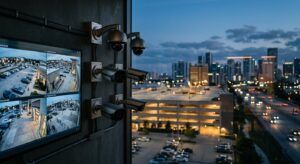
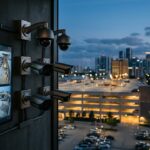
Yes. A properly designed remote monitoring setup includes coverage for parking lots, entry and exit points, pool areas, hallways, mailrooms, laundry facilities, and any other common areas. Monitoring professionals see all feeds simultaneously from their operations center, ensuring no blind spots go unaddressed during high-risk hours.
Is remote video monitoring effective for large apartment complexes with hundreds of units?
Absolutely. In fact, larger properties benefit most from remote monitoring because the cost of on-site security scales linearly with size—more guards, more cost—while remote monitoring can cover extensive camera networks at a consistent service rate. The technology and human monitoring infrastructure is designed to scale without proportionally increasing costs.
What happens when a monitoring professional sees suspicious activity?
The response protocol typically follows a tiered approach: the monitor first issues a live audio warning through on-site speakers, which resolves the majority of situations. If behavior continues, they contact local law enforcement with real-time footage and a description. Property management is notified and receives a documented incident report. Every step is logged for record-keeping and any follow-up action.
Will residents feel uncomfortable knowing they are being monitored?
Transparent communication with residents is key. When monitoring focuses on common areas, parking lots, and access points—not private spaces—most residents view it as a benefit rather than an intrusion. Studies consistently show that residents prioritize safety in their housing decisions, and proactive monitoring is a measurable safety feature that can improve tenant satisfaction and retention.
Protecting Your Community Starts with the Right Partner
Apartment complex security is about more than cameras on poles. It requires a system built around human judgment, proactive response, and continuous vigilance—not just technology running on autopilot. Remote video monitoring delivers exactly that: trained professionals watching your property around the clock, ready to respond before incidents become damages, disputes, or liabilities.
Digital Security Guard provides nationwide remote video monitoring services tailored to the specific challenges of residential communities—from community access control monitoring to 24/7 video monitoring services that keep residents and property safe without the overhead of on-site staffing.
Ready to protect your apartment complex with proactive remote monitoring? Contact Digital Security Guard today to discuss a monitoring solution designed for your property’s specific needs.