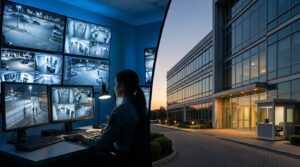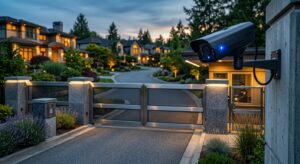
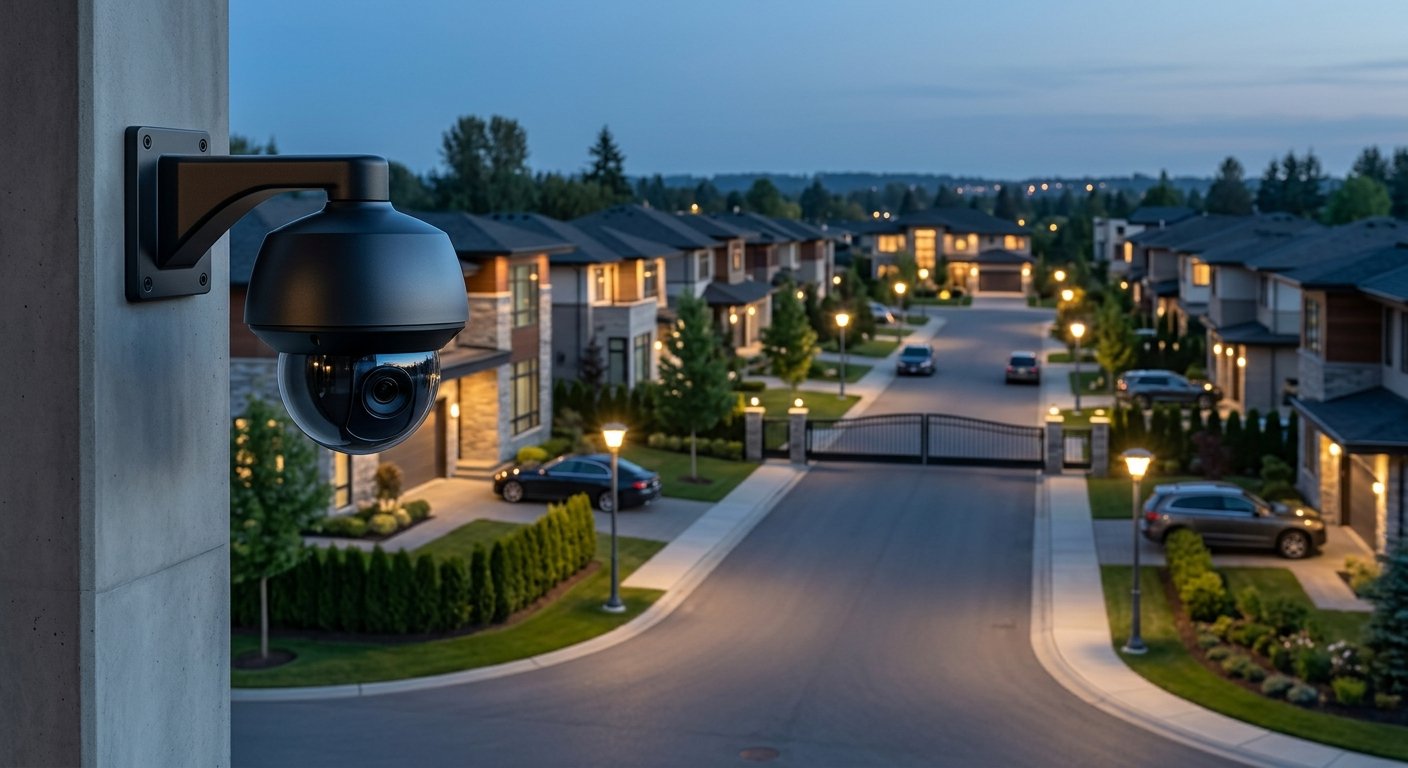
HOA boards and property managers can significantly strengthen residential community protection by adopting remote video monitoring — a solution that pairs advanced camera technology with trained human security professionals watching live, 24/7. Unlike passive recording systems, remote surveillance monitoring actively deters crime as it unfolds, making it a smarter, more cost-effective alternative to traditional on-site security guards for gated communities and apartment complexes.
- Remote video monitoring combines technology with live, trained professionals — it is not a purely automated system.
- HOA boards should evaluate coverage needs, access control integration, and response protocols before choosing a provider.
- Virtual guard services typically cost a fraction of full-time on-site security staffing while delivering comparable or superior deterrence.
- Gated communities and apartment complexes have distinct monitoring needs that a qualified provider should address specifically.
- Proactive crime prevention — not just recording — is the defining advantage of modern residential community surveillance.
Why Traditional Security Falls Short for Residential Communities
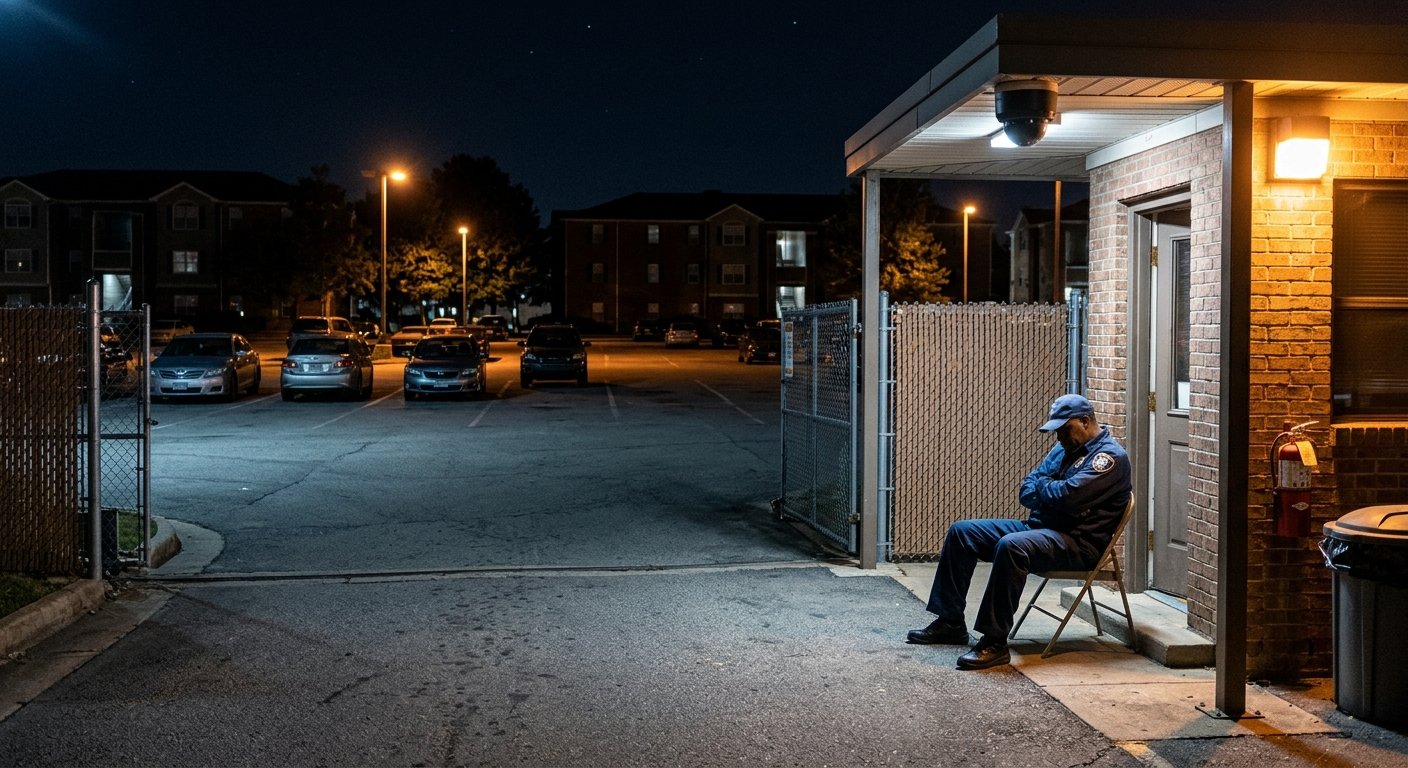
Many HOA boards default to two approaches: on-site security guards or passive camera systems. Both have meaningful limitations. On-site guards are expensive, subject to human fatigue, and can only be in one place at a time. Passive recording systems capture what happened — they do not prevent it.
According to the Bureau of Justice Statistics’ Criminal Victimization report, property crimes remain among the most frequently occurring offenses in the United States, with residential properties consistently affected. Boards that rely solely on recorded footage are essentially documenting losses rather than stopping them.
The gap between reactive recording and proactive deterrence is precisely where remote video monitoring delivers real value. When a trained security professional is watching live feeds around the clock — not reviewing footage the morning after — they can intervene in real time: issuing audio warnings through on-site speakers, alerting local authorities, or dispatching the appropriate response before a situation escalates.
The critical differentiator in modern HOA security monitoring is the human element. Automated motion alerts and AI-triggered notifications are useful tools, but they require a trained professional to interpret context, make judgment calls, and take action. Technology without human oversight is surveillance; technology with it is security.
How Remote Video Monitoring Works for HOAs
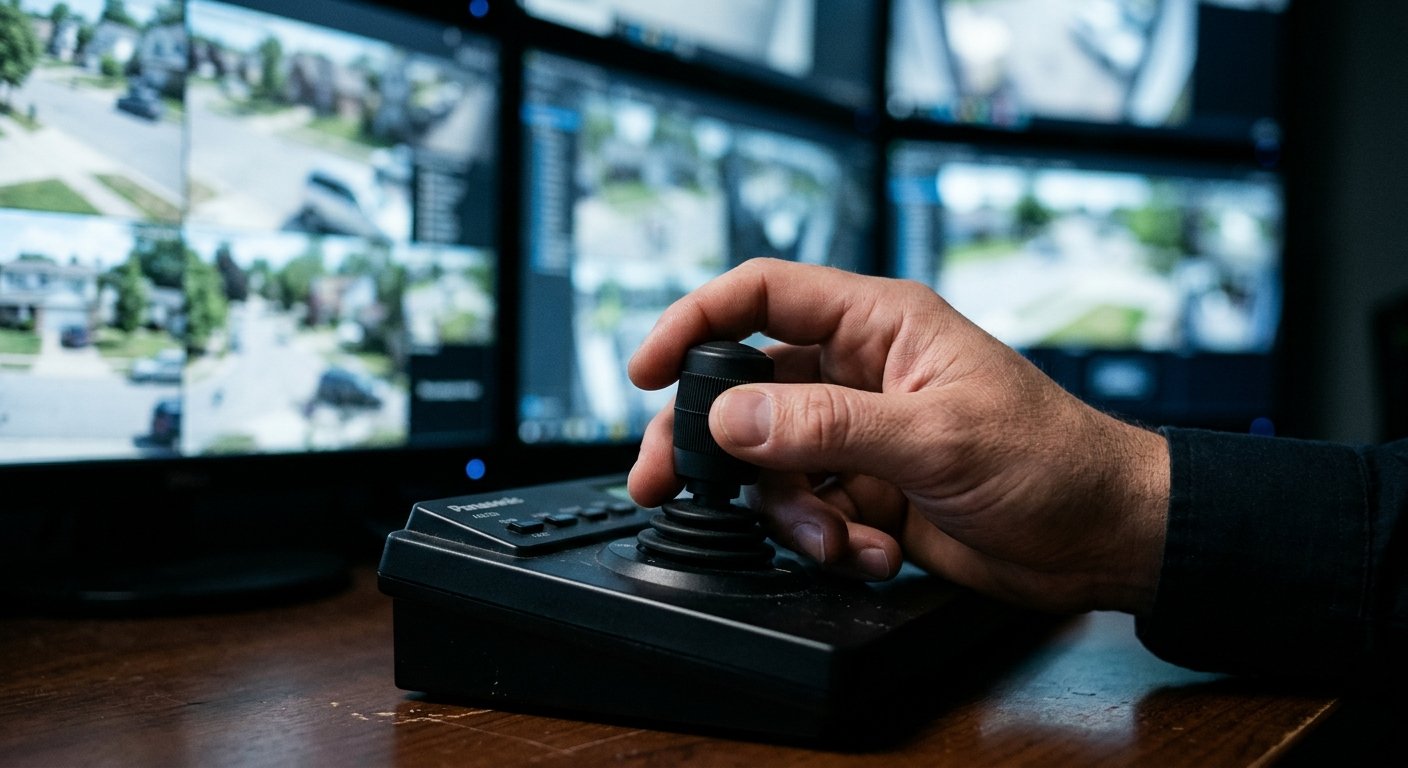
Remote video monitoring — sometimes called virtual guard service — integrates strategically placed cameras with a secure connection to a monitoring center staffed by trained security professionals. Those professionals observe live feeds, respond to triggered alerts, and take action when something looks wrong.
For a residential community, this typically means coverage across multiple zones simultaneously:
- Entry and exit points: Vehicle gates, pedestrian access points, and visitor check-in areas
- Common areas: Pools, fitness centers, clubhouses, parking structures, and playgrounds
- Perimeter zones: Fencing lines, landscaping corridors, and areas adjacent to the property boundary
- High-risk spots: Mail kiosks, package delivery areas, and any location with a history of incidents
When a monitoring professional identifies suspicious activity, they have several immediate options: broadcast a live voice challenge through on-site speakers, contact community management, or coordinate with local law enforcement. This layered response capability is what separates genuine 24/7 video monitoring services from a camera system that simply records.
Site Assessment
A qualified provider surveys the property to identify coverage gaps, optimal camera placement, and integration points with existing access control systems.
System Configuration
Cameras and communication equipment are configured to the community’s layout, activity patterns, and specific security concerns.
Live Monitoring Activation
Trained security professionals begin 24/7 coverage, monitoring live feeds and responding to alerts in real time.
Ongoing Review and Adjustment
The monitoring team and community management review incident reports regularly, adjusting coverage zones and protocols as the community’s needs evolve.
Gated Communities vs. Apartment Complexes: Different Needs, Same Foundation
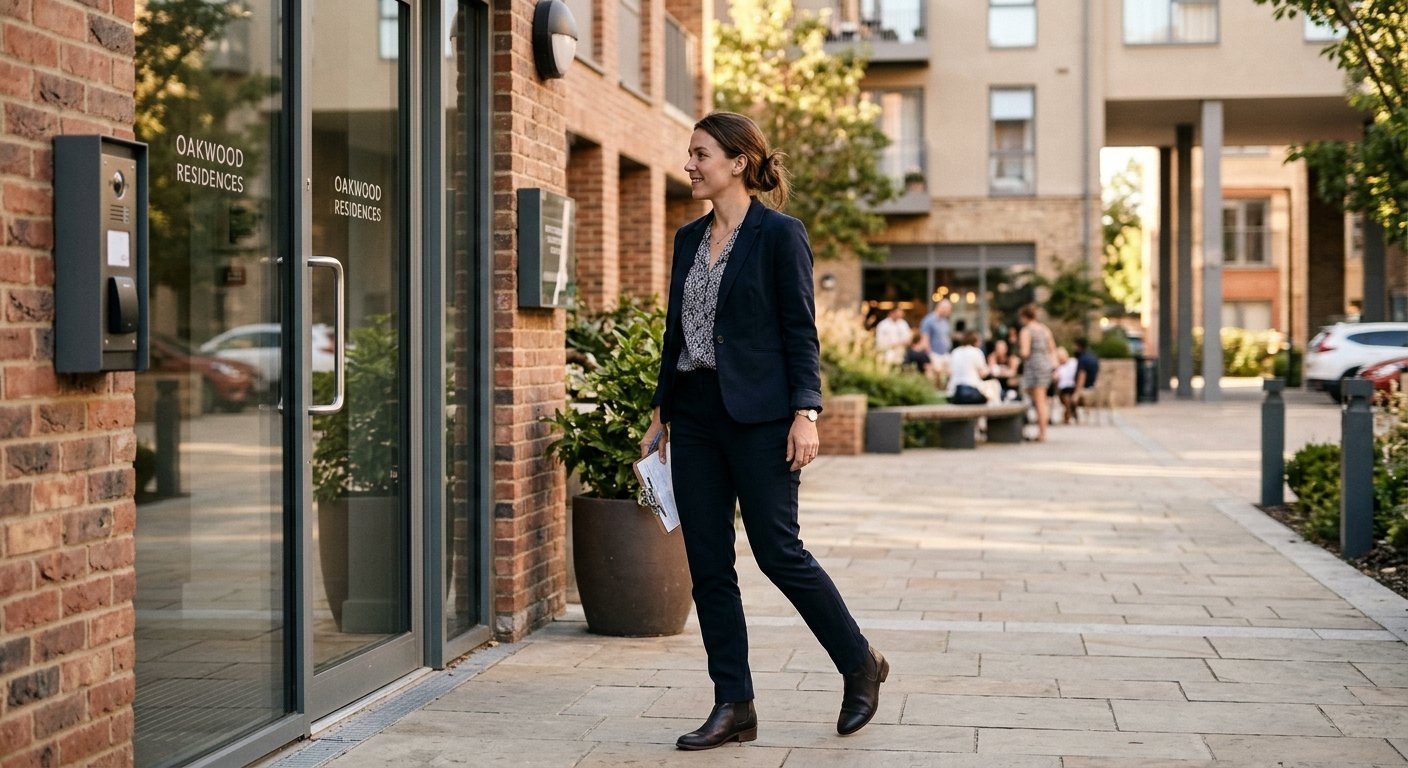
Not all residential communities share the same security profile. HOA boards managing a gated community face challenges around vehicle access control, visitor credentialing, and perimeter integrity. Apartment complex managers, meanwhile, contend with higher foot traffic, shared entry points, package theft, and parking lot security across a denser residential population.
For gated communities specifically, gated community video monitoring integrates with access control infrastructure — license plate recognition, intercom systems, and visitor management — to give monitoring professionals the context they need to identify who belongs on the property and who doesn’t. A virtual guard can verify a visitor remotely and authorize or deny entry without requiring a staffed gatehouse around the clock.
Apartment complexes benefit from neighborhood security monitoring that covers building entries, stairwells, elevator lobbies, and parking areas. Residents expect safety in common spaces. When incidents do occur — vandalism, unauthorized access, package theft — a monitoring team that caught it live can provide documentation and response coordination that passive systems simply cannot.
When evaluating providers, ask specifically how they handle community access control monitoring — not just perimeter cameras. A provider who cannot integrate with your gate system or visitor management platform will leave critical gaps in your coverage.
What to Look for When Evaluating a Provider
Not every remote monitoring provider is equipped to serve residential communities well. HOA boards should ask pointed questions before signing a contract.
24/7 Human Monitoring — Not Just Automation
Confirm that live, trained security professionals — not automated software alone — are watching feeds around the clock. Ask about staffing ratios, training standards, and what happens when an alert fires at 3 a.m. on a holiday. The answer should involve a human being making a real-time judgment call.
Community-Specific Protocols
Your monitoring provider should develop response protocols tailored to your community — not apply a generic template. This means knowing your property layout, understanding which areas generate the most activity, and having clear escalation procedures that align with your HOA’s rules and local law enforcement capabilities.
Integration With Existing Infrastructure
If your community already has cameras, intercoms, or gate systems, a quality provider should be able to work with existing infrastructure or advise on upgrades. Replacing everything unnecessarily is a red flag.
Transparent Reporting
Boards are accountable to residents. Your monitoring provider should offer regular incident reporting, activity logs, and documentation that you can share with your community and reference if liability questions arise.
| Criterion | On-Site Guard | Remote Video Monitoring |
|---|---|---|
| Coverage area | One location at a time | Multiple zones simultaneously |
| Hours of coverage | Shift-dependent | 24/7 continuous |
| Response to incidents | Physical presence | Live audio intervention + authority coordination |
| Documentation | Written reports | Video evidence + incident logs |
| Relative cost | Higher (full-time staffing) | Lower (shared monitoring infrastructure) |
| Scalability | Requires additional hires | Add cameras or zones as needed |
The ROI Conversation: What Boards Should Present to Residents
HOA boards often face pushback when proposing security expenditures. The ROI case for remote video monitoring rests on a few concrete arguments.
First, deterrence has measurable value. The U.S. Department of Justice’s COPS Office has published research indicating that visible surveillance systems reduce crime in monitored areas — particularly for opportunistic offenses like vehicle break-ins, vandalism, and trespassing, which are common concerns in residential communities.
Second, liability exposure is reduced when incidents are documented clearly and responses are logged. If a resident or guest is injured in a common area and claims the HOA failed to maintain adequate security, documented monitoring activity and professional response records are meaningful evidence in the HOA’s favor.
Third, resident satisfaction and property values are affected by perceived safety. Communities with visible, professional security programs tend to retain residents longer and attract prospective buyers or renters more effectively — a compelling argument for boards to make at annual meetings.
The best security investment an HOA can make is one that prevents an incident from happening — not just one that records it after the fact.
For boards that also manage commercial assets — parking structures, retail spaces within the development, or on-site management offices — it’s worth noting that the same remote monitoring infrastructure can extend to those spaces. For example, boards overseeing mixed-use properties might find the broader principles around commercial remote video monitoring directly applicable to their situation.
Frequently Asked Questions
What is the difference between remote video monitoring and a standard camera system?
A standard camera system records footage passively. Remote video monitoring adds trained human professionals who watch live feeds around the clock, respond to activity in real time, and can intervene before or during an incident — not just review footage afterward. The human element is what transforms surveillance into active security.
Can remote monitoring replace a staffed gatehouse in a gated community?
In many situations, yes. Virtual guard services can handle visitor verification, access control decisions, and real-time perimeter monitoring remotely, often at lower cost than maintaining a staffed gatehouse around the clock. The right solution depends on your community’s specific access volume and resident expectations — a qualified provider can assess your situation specifically.
How does a monitoring professional respond when they see suspicious activity?
Trained monitoring professionals have several options: issuing a live audio warning through on-site speakers (which deters most opportunistic offenders immediately), notifying community management, or contacting local law enforcement. The response protocol is established in advance with the community and tailored to the type and severity of activity observed.
Is remote monitoring suitable for smaller HOAs with limited budgets?
Remote video monitoring scales well for smaller communities because the cost is based on coverage needs rather than staffing headcount. A smaller property can receive professional 24/7 monitoring coverage without the overhead of hiring, training, and scheduling on-site personnel. Many smaller HOAs find it is their most affordable path to genuine security coverage.
What should HOA boards do before contacting a remote monitoring provider?
Before reaching out, boards should document their current security concerns, map out the areas they want covered, note any existing camera or access control equipment, and define their budget range. Having this information ready allows a provider to give you a meaningful, property-specific recommendation rather than a generic quote.
Protect Your Community With Professional Remote Monitoring
Digital Security Guard’s nationwide remote video monitoring services pair advanced surveillance technology with trained security professionals available 24/7 — giving your HOA the proactive crime prevention your residents deserve.

About Digital Security Guard
Digital Security Guard provides remote video monitoring solutions for commercial and residential property owners seeking proactive crime prevention rather than reactive recording. Combining advanced security technology with trained human monitoring professionals, they deliver 24/7 surveillance services that prevent theft, vandalism, and liability issues at a fraction of the cost of on-site security guards. Their solutions serve diverse property types including construction sites, retail stores, auto dealerships, apartment complexes, and gated communities across the nation. Visit digitalsecurityguard.com →