Property crime costs businesses and property owners billions of dollars annually, with most incidents occurring during off-hours when sites are vulnerable. Traditional security camera systems simply record footage for later review—after the crime has already happened. This reactive approach leaves property owners constantly playing catch-up, dealing with insurance claims, repairs, and the frustration of watching crimes unfold on video without being able to prevent them. But what if your security system could stop threats before they escalate?
That’s exactly what 24/7 video monitoring delivers: proactive, real-time security intervention by trained professionals watching your property around the clock.
Understanding 24/7 Video Monitoring Services
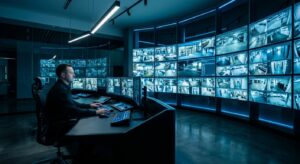
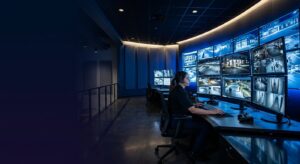
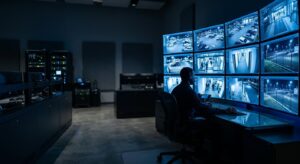
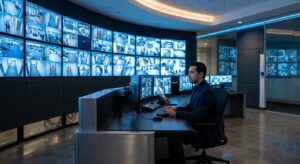
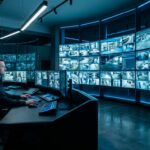
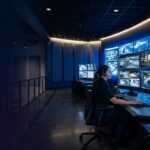
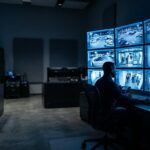
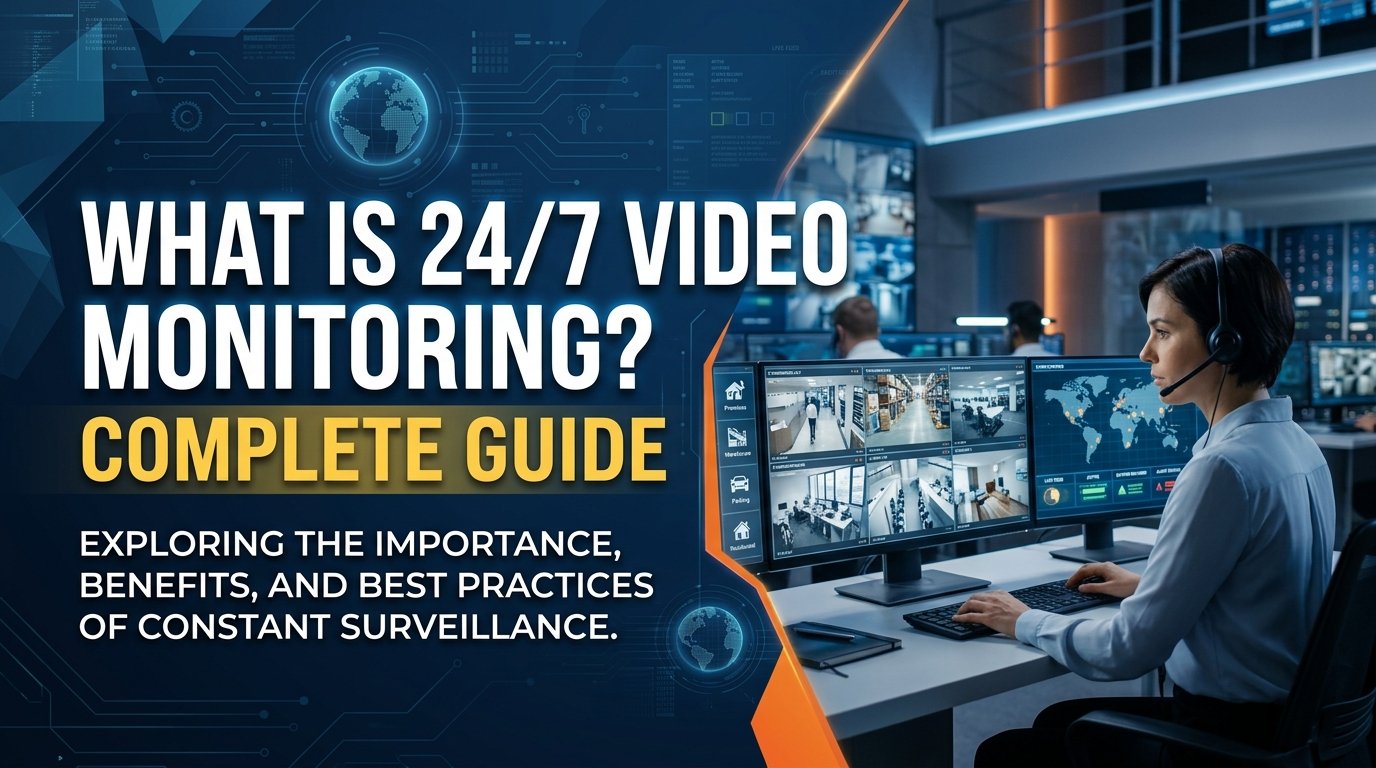
24/7 video monitoring is a proactive security solution where trained security professionals monitor your property’s cameras in real-time from a remote monitoring center. Unlike traditional recorded surveillance that captures footage for after-the-fact review, live video surveillance monitoring provides immediate human intervention when suspicious activity occurs.
Here’s how it works: Your existing security cameras connect to a professional monitoring station staffed with trained security operators. These professionals watch multiple properties simultaneously, using advanced analytics and motion detection to identify potential threats. When they spot suspicious activity—whether it’s an intruder climbing a fence at 2 AM or unauthorized vehicle access—they take immediate action.
This immediate response might include activating two-way audio warnings to deter trespassers, contacting law enforcement with real-time information, or alerting on-site personnel or management. The human element makes all the difference. While AI and motion detection provide valuable alerts, trained security professionals interpret context, distinguish between legitimate activity and genuine threats, and make critical decisions about appropriate responses.
How Remote Video Monitoring Differs From Traditional Security
The distinction between conventional surveillance and 24/7 remote video services represents a fundamental shift in security philosophy—from reactive to proactive protection.
Traditional Security Cameras
Standard security camera systems operate as recording devices. They capture footage continuously or when motion triggers them, storing that data for later review. If someone breaks into your construction site overnight, steals equipment, and vanishes, you’ll have video evidence for police reports and insurance claims. However, the damage is done, your property is gone, and recovery is unlikely.
On-Site Security Guards
Physical security guards provide human presence and immediate response, but they come with significant limitations. A single guard can only monitor one area at a time, takes breaks, and costs between $50,000-$80,000 annually per position when accounting for wages, benefits, insurance, and management overhead. Hiring multiple guards for comprehensive coverage becomes prohibitively expensive for most properties.
Remote Video Monitoring
Live video surveillance monitoring combines the best of both approaches while eliminating their weaknesses. Trained professionals monitor multiple camera feeds simultaneously from a centralized location, providing comprehensive property coverage without the cost of multiple on-site guards. They never sleep, never take breaks, and maintain consistent vigilance throughout every shift.
The cost difference is dramatic. While on-site security might cost $60,000+ annually per guard, remote video monitoring typically runs $200-$800 monthly depending on property size and camera count—delivering 60-90% cost savings while often providing superior coverage.
Key Features of Professional 24/7 Video Monitoring
Effective remote monitoring solutions include several critical components that work together to provide comprehensive protection:
Real-Time Alert Response
Advanced analytics and motion detection systems generate alerts when unusual activity occurs. Within seconds, security operators assess the situation through live camera feeds, determining whether activity represents a genuine threat or false alarm. This human verification eliminates the alert fatigue that comes with automated systems generating dozens of false notifications.
Two-Way Audio Communication
Many modern systems include speakers that allow monitoring professionals to communicate directly with individuals on your property. A simple “Security is monitoring this location, please leave immediately” often stops trespassers in their tracks before they can cause damage or theft. This audio deterrent proves remarkably effective—most criminals flee immediately when they realize they’re being actively watched.
Law Enforcement Coordination
When situations escalate, monitoring operators contact local law enforcement with precise, real-time information: exact location of intruders, number of individuals, vehicle descriptions, direction of movement, and whether weapons are visible. This detailed intelligence helps police respond more effectively and safely.
Detailed Incident Documentation
Every incident receives thorough documentation, including video clips, timestamps, actions taken, and outcomes. This documentation proves invaluable for insurance claims, legal proceedings, and security audits.
Industry Applications and Real-World Benefits
Different properties face unique security challenges. Here’s how 24/7 video monitoring services address specific industry needs:
Construction Sites
Construction sites are prime targets for equipment theft, with the National Equipment Register reporting billions in stolen machinery and tools annually. Remote monitoring protects valuable equipment overnight and during weekends when sites are empty. Operators can identify unauthorized access immediately, often deterring thieves before they load a single tool. One construction company reported eliminating $150,000 in annual theft losses after implementing remote monitoring.
Auto Dealerships
Vehicle dealerships face theft of cars, parts, and catalytic converters. Live monitoring protects inventory 24/7, with operators watching lot activity and responding to fence-line breaches. The visible camera presence combined with active monitoring provides powerful deterrence, while real-time alerts enable rapid police response if theft attempts occur.
Retail Stores
After-hours break-ins cost retailers millions annually. Remote monitoring protects stores during closed hours, monitoring entry points, back doors, and loading areas. When break-ins occur, monitoring teams alert police immediately while documenting the entire incident, significantly improving prosecution rates.
Apartment Communities and HOAs
Residential properties benefit from monitoring common areas, parking lots, amenity spaces, and entry gates. This protection enhances resident safety, reduces liability concerns, and provides evidence when incidents occur. Property managers appreciate the reduced insurance premiums that often accompany professional monitoring systems.
Warehouses and Distribution Centers
Large facilities with valuable inventory need comprehensive coverage. Remote monitoring watches multiple access points simultaneously, monitoring loading docks, perimeter fencing, and vehicle movement. This visibility helps prevent both external theft and internal shrinkage.
Calculating Your Security ROI
The financial case for remote video monitoring becomes clear when you compare costs against alternatives:
Traditional On-Site Guards:
- Single guard (40 hours/week): $50,000-$60,000 annually
- 24/7 coverage (multiple guards): $200,000-$250,000 annually
- Additional costs: supervision, scheduling, turnover, training
Remote Video Monitoring:
- Small property (4-8 cameras): $200-$400 monthly
- Medium property (8-16 cameras): $400-$600 monthly
- Large property (16+ cameras): $600-$800+ monthly
Beyond direct cost savings, consider prevented losses. A single theft incident can cost thousands or tens of thousands in stolen property, business interruption, insurance deductibles, and increased premiums. If remote monitoring prevents even one major incident annually, it typically pays for itself many times over.
Implementation Considerations
Transitioning to live video surveillance monitoring requires several key decisions:
Camera Infrastructure
Most modern IP cameras integrate easily with remote monitoring services. If you have existing cameras, many can be incorporated into your monitoring system. If installing new cameras, prioritize locations covering entry points, high-value areas, and perimeter boundaries.
Internet Connectivity
Reliable internet connection is essential for transmitting video feeds to the monitoring center. Most systems require upload speeds of at least 5-10 Mbps per camera, depending on resolution and compression. Backup connectivity options ensure continuous protection even if primary internet fails.
Monitoring Coverage Hours
While many properties benefit from true 24/7 monitoring, others may only need coverage during specific high-risk periods like overnight hours, weekends, or when facilities are closed. Customizing your coverage hours can optimize both protection and budget.
Integration with Existing Systems
Remote monitoring often integrates with access control systems, alarm systems, and lighting controls, creating a comprehensive security ecosystem. This integration enables coordinated responses—for example, automatically illuminating areas when cameras detect motion.
Selecting a Monitoring Provider
Not all remote monitoring services deliver equal value. When evaluating providers, consider these factors:
Operator Training and Experience: Security professionals should receive comprehensive training in threat assessment, emergency response protocols, and customer communication. Ask about their training programs and operator qualifications.
Monitoring Center Reliability: Professional operations maintain redundant systems, backup power, and multiple internet connections to ensure uninterrupted service. The monitoring center should be staffed 24/7/365 with no gaps in coverage.
Response Time Guarantees: How quickly do operators assess alerts and take action? Response times should typically be under 30 seconds for priority alerts.
Customer Support: Technical issues and questions arise. Quality providers offer responsive customer support with accessible contact channels.
Transparent Pricing: Understand exactly what’s included in monitoring fees versus additional charges. Watch for hidden costs or long-term contract obligations that don’t align with your needs.
Frequently Asked Questions
Does remote monitoring work in all weather conditions?
Quality outdoor cameras are weatherproof and include features like infrared night vision, ensuring clear footage in darkness, rain, or fog. Monitoring continues regardless of weather conditions.
How many cameras can be monitored simultaneously?
Professional monitoring centers can handle properties with dozens of cameras. Operators use intelligent alert systems that prioritize notifications, ensuring they focus attention where threats exist.
What happens if internet connection is lost?
Quality systems include backup connectivity options or local recording that syncs when connection restores. Monitoring centers also receive alerts if properties go offline, prompting immediate investigation.
Can monitoring reduce insurance costs?
Many insurance providers offer premium discounts for properties with professional monitoring, recognizing the reduced risk. Discounts typically range from 5-20% depending on the insurer and coverage.
Taking the Next Step in Property Protection
The question isn’t whether your property needs better security—it’s whether you’ll continue with reactive approaches that document crimes after they occur, or embrace proactive protection that prevents incidents before they escalate.
24/7 video monitoring services represent the evolution of property security: combining technological capability with human intelligence to deliver cost-effective, comprehensive protection. Whether you manage a construction site vulnerable to equipment theft, an apartment community concerned about resident safety, or a retail location facing break-in risks, remote monitoring provides the vigilant protection your property deserves.
Digital Security Guard specializes in professional remote video monitoring tailored to your specific property needs. Our trained security professionals monitor your cameras 24/7 from our advanced monitoring center, providing immediate response to threats and delivering the peace of mind that comes with knowing your property is never unprotected. Contact us today to discuss how our monitoring solutions can protect your property while reducing your security costs.