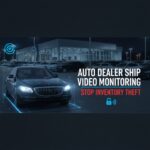
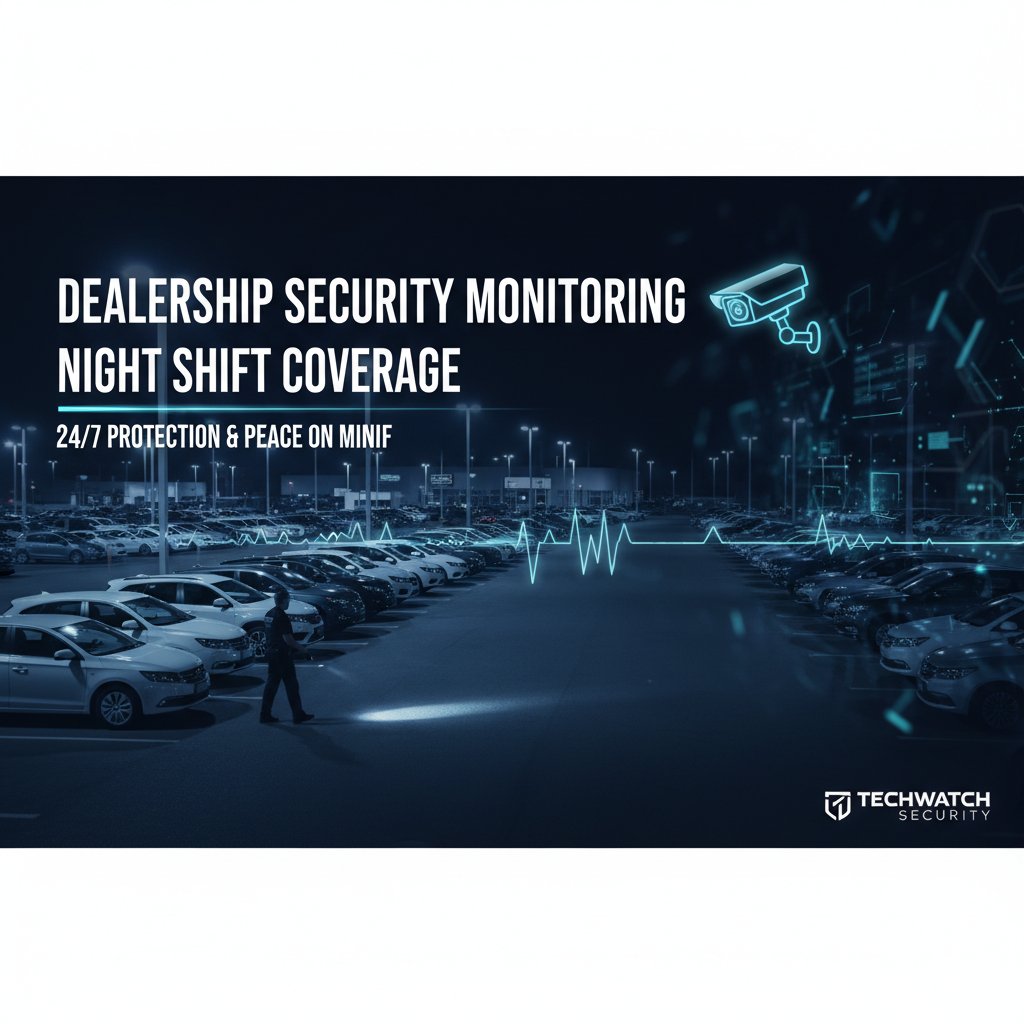
Auto dealerships face a unique security challenge: millions of dollars in inventory sitting exposed on outdoor lots during the most vulnerable hours. Between dusk and dawn, when staff has gone home and criminal activity peaks, vehicle theft, vandalism, and copper wire theft can devastate a dealership’s bottom line. The traditional solution—hiring multiple security guards for overnight shifts—costs dealerships upward of $100,000 annually. Meanwhile, passive camera systems simply record crimes as they happen, providing little more than insurance documentation.
Remote video monitoring has emerged as the superior solution for overnight dealership protection, combining human intelligence with advanced surveillance technology to actively prevent crime rather than merely documenting it after the fact.
The Critical Vulnerability of Overnight Hours
Statistics from the National Insurance Crime Bureau reveal that vehicle thefts peak between 10 PM and 6 AM, with professional theft rings specifically targeting dealerships during these hours. Criminals understand that most security systems are reactive, and they’ve learned to work quickly—a skilled team can load high-value vehicles onto transport trucks in under fifteen minutes.
The financial impact extends beyond stolen inventory. Dealerships face:
- Insurance premium increases after theft claims
- Damaged fencing and gate systems from forced entry
- Stolen catalytic converters from service department vehicles
- Vandalism to showroom windows and signage
- Copper wire theft from lighting systems
- Parts theft from service bays
A single theft incident can easily exceed $250,000 when accounting for vehicle value, property damage, and increased insurance costs. Multiple incidents per year can threaten a dealership’s financial stability and customer trust.
How Auto Dealership Video Monitoring Works
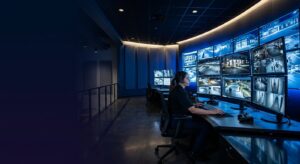
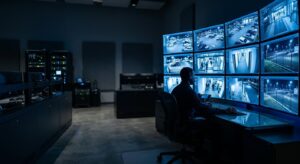
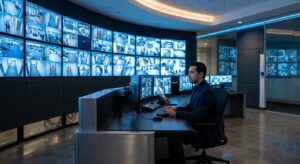
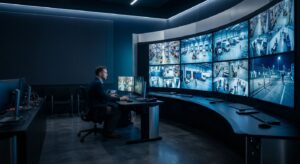
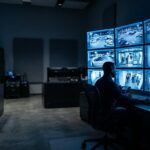
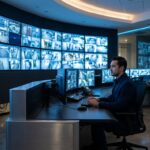
Car dealership security monitoring operates fundamentally differently from traditional surveillance systems. Rather than recording footage for later review, trained security professionals actively monitor your property in real-time from a remote command center.
The system integrates high-definition cameras with intelligent motion detection and analytics software. When movement is detected during non-business hours, the system immediately alerts remote security operators who assess the situation through live video feeds. Within seconds, they can determine whether the activity represents a genuine threat or a false alarm from wildlife, weather, or authorized personnel.
When operators identify criminal activity, they respond immediately using two-way audio systems to issue verbal warnings directly to intruders. This immediate human intervention typically stops crimes in progress—most criminals flee when they realize they’re being actively watched and that law enforcement has been contacted. Operators simultaneously dispatch local police with precise information about the threat, suspect descriptions, and their exact location on the property.
The Advantage Over Physical Security Guards
A single security guard walking a vehicle lot faces inherent limitations. They can only observe one area at a time, creating predictable patrol patterns that experienced criminals exploit. Physical guards also represent significant liability—confrontations can escalate into dangerous situations, potentially resulting in workplace injuries or worse.
Automotive dealership surveillance through remote monitoring eliminates these vulnerabilities. Multiple cameras provide simultaneous coverage of the entire property, eliminating blind spots. Trained operators can track suspects across different zones, coordinating with law enforcement while maintaining constant surveillance. There’s no confrontation risk, no predictable patterns to exploit, and no gaps in coverage during breaks or shift changes.
The cost comparison is equally compelling. Two physical guards working 12-hour night shifts seven days per week cost approximately $120,000 annually when factoring in wages, benefits, insurance, and management overhead. Comprehensive vehicle lot monitoring delivers superior coverage for roughly 60-70% less, typically ranging from $800 to $1,500 monthly depending on property size and camera requirements.
Strategic Camera Placement for Vehicle Lots
Effective dealership protection requires strategic thinking about coverage zones and camera capabilities. The most vulnerable areas demand priority attention:
Perimeter Security
High-resolution cameras at entry points capture license plates and facial details of every vehicle entering or leaving the property. Fence lines require coverage to detect cutting or climbing attempts before intruders reach the vehicle inventory. Gate systems benefit from cameras with clear sight lines to monitor for forced entry or tailgating.
High-Value Inventory Areas
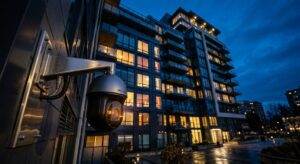
Luxury vehicles, new model releases, and high-demand trucks require dedicated camera coverage. Pan-tilt-zoom cameras allow remote operators to focus on suspicious activity and follow suspects across the lot. Thermal imaging cameras can detect human presence even in complete darkness or through visual obstructions like fog.
Service Departments and Parts Storage
Service bays contain valuable diagnostic equipment, tools, and customer vehicles. Parts departments store high-theft items like catalytic converters, wheels, and electronics. These indoor and semi-enclosed spaces need cameras with low-light capabilities and wide-angle lenses.
Employee Areas and Cash Handling Zones
While overnight monitoring focuses on external threats, 24/7 video monitoring services also protect against internal theft. Finance offices, parts counters, and service cashier stations benefit from discreet camera coverage that documents all transactions and activities.
Real-Time Intervention: Case Studies
The true value of remote monitoring becomes evident through real-world prevention. A Texas Chevrolet dealership experienced repeated copper wire theft from their lot lighting system, with each incident costing $8,000 in repairs and leaving portions of the lot dark and vulnerable. After implementing remote monitoring, operators detected two individuals with wire cutters approaching the electrical boxes at 2:30 AM. Verbal warnings through the audio system and immediate police dispatch resulted in arrests, and the dealership hasn’t experienced a theft attempt in eighteen months.
A Florida luxury dealership faced a more sophisticated threat when operators noticed a tow truck entering the lot using what appeared to be valid gate credentials at 4:15 AM. Rather than immediately intervening, operators monitored the situation while contacting police. The tow truck operators were actually using stolen access codes and attempting to steal a $95,000 vehicle. Police arrived before the vehicle left the property, recovering the stolen truck and preventing what would have been a massive loss.
These interventions deliver ROI that extends beyond prevented theft. Insurance companies recognize the risk reduction that professional monitoring provides, often offering premium reductions that further offset system costs.
Integration with Existing Systems
Modern car dealership security monitoring integrates seamlessly with existing infrastructure. Most dealerships already have some camera coverage, often installed by alarm companies or IT departments. Rather than requiring complete replacement, professional monitoring services typically work with existing equipment, adding cameras strategically to eliminate coverage gaps.
The system connects to your network infrastructure, transmitting encrypted video feeds to the monitoring center. Integration with access control systems allows operators to distinguish between authorized after-hours activity—like managers retrieving documents or detail crews working late—and genuine security threats.
Modern platforms provide dealership management with mobile app access to live and recorded footage. General managers can check on their property from anywhere, review specific incidents, and receive alerts about significant events. This transparency builds confidence while maintaining professional security oversight.
Weather and Environmental Considerations
Vehicle lots present unique environmental challenges for surveillance equipment. Cameras must perform reliably through rain, extreme temperatures, direct sunlight, and nighttime darkness. Commercial-grade cameras designed for automotive dealership surveillance feature weather-resistant housings rated for harsh conditions, infrared illumination for clear nighttime imaging, and wide dynamic range technology that handles challenging lighting conditions like headlight glare and shadows.
Regular maintenance ensures optimal performance. Professional monitoring services typically include quarterly system checks, camera cleaning, and angle adjustments to maintain comprehensive coverage as inventory layouts change or vegetation grows.
Addressing False Alarms and Efficiency
One legitimate concern about monitored systems involves false alarms—alerts triggered by non-threatening activity. Animals, wind-blown debris, or weather events can trigger motion detection. This is precisely where human verification provides value that automated systems cannot match.
Trained operators quickly assess each alert, filtering false alarms before they waste law enforcement resources or cause unnecessary concern. Advanced analytics reduce nuisance alerts by distinguishing between human activity, vehicles, and other movement types. This intelligent filtering means you’re only contacted about genuine security events, not every cat that walks across the lot.
Compliance and Liability Protection
Beyond theft prevention, comprehensive video monitoring protects dealerships from liability claims. Slip-and-fall allegations, customer disputes about vehicle condition, and employee injury claims all benefit from video documentation. Time-stamped, high-resolution footage provides objective evidence that protects your business from fraudulent claims.
Professional monitoring services maintain strict data retention policies, typically storing footage for 30-90 days and longer for flagged incidents. This ensures availability if claims arise weeks or months after incidents occur.
Selecting the Right Monitoring Partner
Not all video monitoring services deliver equal value. When evaluating providers, consider these critical factors:
- Central station certification and operator training standards
- Average response time to triggered alerts
- Redundant monitoring centers for uninterrupted service
- Customer references from similar dealership clients
- Technology partnerships with leading camera manufacturers
- Clear contracts without hidden fees or long-term lock-ins
- Local service technicians for maintenance and repairs
The right partner functions as an extension of your security team, understanding your specific vulnerabilities and adapting coverage as your needs evolve.
Return on Investment Timeline
Most dealerships realize positive ROI within the first year of implementing remote monitoring. The math is straightforward: if your system prevents a single high-value vehicle theft, it’s paid for itself. When factoring in reduced insurance premiums, eliminated guard costs, and prevented vandalism, the financial benefits compound rapidly.
Beyond quantifiable savings, dealerships report improved peace of mind among ownership and management. Rather than worrying about overnight security, they trust their monitoring partner to maintain vigilant protection. This mental freedom allows leadership to focus on sales, service, and customer experience rather than security concerns.
Secure Your Investment with Professional Night Coverage
Your vehicle inventory represents millions in assets that deserve active protection, not passive recording. Remote video monitoring delivers the comprehensive overnight coverage that modern dealerships require, combining advanced technology with human intelligence to prevent crime before it impacts your bottom line.
Digital Security Guard specializes in automotive dealership surveillance, providing 24/7 monitoring coverage designed specifically for the unique challenges of vehicle lot security. Our trained operators actively protect your property during the critical overnight hours when risk peaks and your staff is away. Contact us today to schedule a free security assessment and discover how remote monitoring can eliminate your nighttime vulnerabilities while reducing security costs.