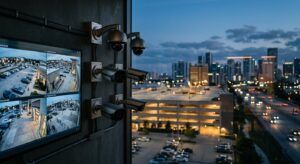
You’ve already invested thousands in CCTV cameras across your property. They’re recording 24/7, capturing every movement, every vehicle, every person who enters your premises. But here’s the uncomfortable truth: those recordings only matter after a crime has already happened. When vandals strike at 2 AM, when thieves load up merchandise after hours, or when unauthorized visitors breach your perimeter, your cameras dutifully record everything—while no one is actually watching or responding.
The good news? You don’t need to rip out your existing infrastructure and start over. Modern remote video monitoring services can transform your passive recording system into a proactive security solution that stops crime as it happens. This integration approach saves money, maximizes your existing investment, and delivers the 24/7 human oversight your cameras need to become truly effective business security solutions.
Understanding Remote Video Monitoring Integration
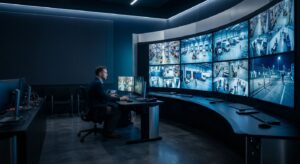
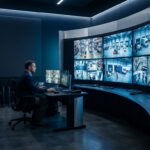
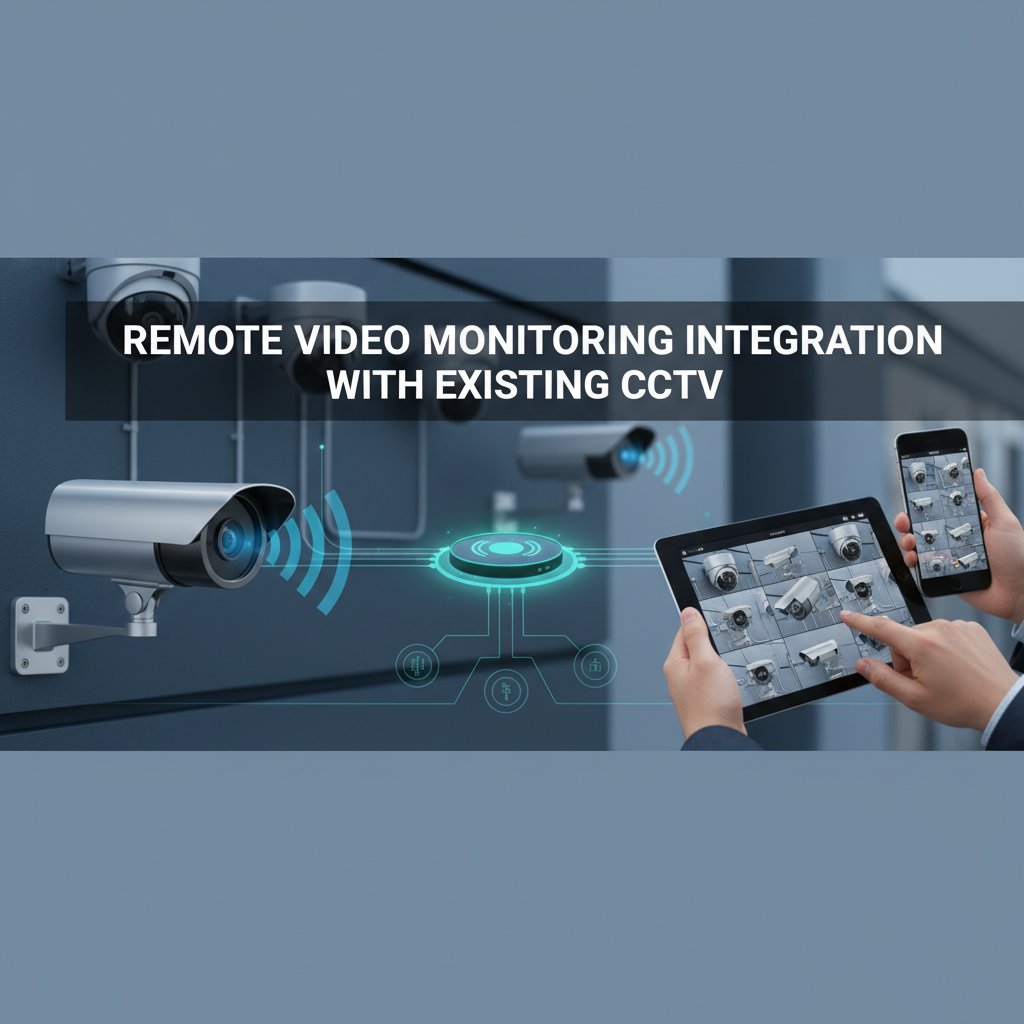
Remote video monitoring integration connects your existing CCTV cameras to a professional monitoring center where trained security personnel watch your feeds in real-time. Unlike traditional systems that only record footage for later review, professional video monitoring adds the critical human element—experienced guards who can identify threats, issue warnings, contact authorities, and prevent incidents before property damage or theft occurs.
The integration process typically works with existing camera infrastructure, regardless of manufacturer or age. Whether you have analog cameras, IP cameras, or a hybrid system, remote monitoring systems can usually connect to your current setup through your network video recorder (NVR) or digital video recorder (DVR). This compatibility means you’re not throwing away functional equipment; you’re enhancing it.
The Technology Behind Seamless Integration
Modern remote surveillance systems use sophisticated software platforms that bridge legacy equipment with contemporary monitoring capabilities. The integration process involves several key components that work together to create a comprehensive security solution:
Network Connectivity and Bandwidth Optimization
Your cameras connect to monitoring centers through secure internet connections. Advanced compression technologies ensure that even locations with limited bandwidth can support effective remote monitoring without overwhelming network resources. The system transmits video feeds continuously or on-demand, depending on your specific security needs and infrastructure capabilities.
Video Analytics and Smart Detection
Integration platforms incorporate intelligent video analytics that filter out false alarms from genuine threats. These systems learn to distinguish between a stray cat triggering motion detection and an actual intruder climbing your fence at 3 AM. This smart detection significantly reduces alert fatigue for monitoring personnel, allowing them to focus on real security events that require immediate response.
Two-Way Audio Communication
Many integration solutions add two-way audio capabilities to existing camera setups through supplementary equipment. This feature enables monitoring agents to issue verbal warnings to trespassers, often deterring criminal activity before law enforcement even arrives. The psychological impact of a live voice addressing intruders by their visible characteristics is remarkably effective at stopping crimes in progress.
Cost Advantages Over Physical Guard Services
The financial benefits of integrating remote video monitoring with your existing CCTV infrastructure are substantial. A single on-site security guard typically costs $50,000 to $80,000 annually when factoring in wages, benefits, training, and management overhead. That guard can only monitor a limited area and requires breaks, shift changes, and time off.
Commercial remote video monitoring delivers 24/7 coverage across all camera locations simultaneously for a fraction of that cost—often $500 to $2,000 monthly depending on the number of cameras and service level. You’re gaining comprehensive coverage without the limitations of physical patrols, human fatigue, or scheduling gaps. For properties with existing camera systems, this represents pure added value without major capital expenditure.
Industry-Specific Integration Applications
Construction Site Security
Construction sites face unique challenges with expensive equipment, copper wire theft, and liability concerns from unauthorized access. Integrating remote monitoring with perimeter cameras allows security professionals to challenge trespassers immediately, document incidents, and coordinate with law enforcement. The visible deterrent of monitored cameras with warning signage reduces theft by up to 60% according to industry studies.
Retail Store Protection
Retail environments benefit from both external perimeter monitoring and internal surveillance integration. Remote monitoring teams can watch for after-hours intrusions, verify alarm events before dispatching expensive security responses, and monitor parking lots for customer safety. This comprehensive approach reduces false alarm fees while ensuring genuine emergencies receive immediate attention.
Auto Dealership Monitoring
Vehicle dealerships represent high-value targets with inventory sitting outdoors 24/7. Integrating existing lot cameras with CCTV monitoring services enables constant oversight of vehicles, detection of suspicious behavior, and immediate response to theft attempts. The ability to track individuals across multiple cameras and provide real-time intelligence to responding officers significantly improves recovery rates and prevents losses.
Apartment Complex Security
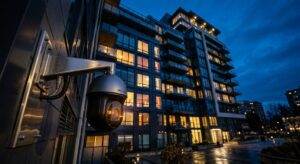
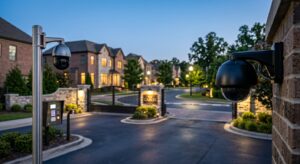
Multi-family residential properties need consistent security without the confrontational presence that armed guards sometimes create. Gated community video monitoring integration provides residents with peace of mind while keeping costs reasonable enough to avoid significant rent increases. Monitoring teams can track unauthorized vehicles, verify guest access, and ensure amenity areas remain secure during off-hours.
Overcoming Common Integration Challenges
Property managers considering remote monitoring integration often share similar concerns about compatibility, implementation disruption, and system reliability. Understanding these challenges helps set realistic expectations:
Legacy Equipment Compatibility
Older analog camera systems can absolutely integrate with modern remote monitoring platforms through video encoder devices that convert analog signals to digital streams. While upgrading to IP cameras eventually offers benefits like higher resolution and advanced features, functional analog systems can deliver effective monitoring when properly integrated.
Internet Reliability Requirements
Stable internet connectivity is essential for remote surveillance systems. Properties with unreliable connections should consider redundant internet services, cellular backup options, or hybrid recording approaches where footage stores locally and syncs to monitoring centers during connectivity windows. Professional monitoring providers assess your infrastructure during evaluation and recommend appropriate solutions.
Privacy and Data Security
Video streams transmitted to remote monitoring centers utilize encryption protocols that protect against interception. Reputable providers maintain strict data handling policies, secure storage practices, and compliance with privacy regulations. Understanding where footage is stored, who can access it, and how long it’s retained ensures your integration meets both security and legal requirements.
Implementation Process and Timeline
Integrating professional video monitoring with existing cameras typically follows a structured process that minimizes disruption to daily operations:
- System Assessment: Security professionals evaluate your current camera placement, equipment capabilities, network infrastructure, and coverage gaps (1-2 days)
- Integration Planning: Technicians design the connection architecture, identify any necessary hardware additions, and establish monitoring protocols (3-5 days)
- Equipment Installation: Any supplementary devices like encoders, network equipment, or audio units are installed and configured (1-2 days on-site)
- Testing and Optimization: Video feeds are tested, analytics are calibrated, and monitoring procedures are refined (2-3 days)
- Go-Live and Training: The system activates with full monitoring coverage while your team receives training on how integration enhances your security posture (1 day)
Total implementation typically completes within 2-3 weeks from initial assessment to full operational status, with most of that time involving background planning rather than on-site disruption.
Measuring ROI and Security Effectiveness
Quantifying the return on investment for remote monitoring integration involves both prevented losses and operational savings. Properties that implement professional monitoring typically experience:
- 50-70% reduction in theft and vandalism incidents within the first year
- Elimination of false alarm response fees through verified dispatch protocols
- Lower insurance premiums due to enhanced security measures and risk mitigation
- Reduced liability exposure from documented security responses and incident records
- Faster law enforcement response times when monitoring agents provide real-time intelligence
A mid-sized retail property spending $3,500 monthly on part-time security guards switched to integrated remote monitoring at $1,200 monthly. Within six months, they documented $18,000 in prevented theft, saved $13,800 in guard costs, and received a 12% insurance premium reduction—delivering over $35,000 in first-year value.
Choosing the Right Monitoring Partner
Not all remote monitoring services deliver equal value or expertise. When evaluating integration partners, prioritize providers who:
- Employ trained security professionals rather than relying solely on automated systems
- Maintain UL-listed monitoring centers with redundant operations capabilities
- Offer customized monitoring protocols tailored to your property type and security concerns
- Provide transparent pricing without hidden fees for additional cameras or service calls
- Demonstrate experience with your specific industry and understand relevant security challenges
- Deliver regular performance reports showing response times, incident prevention, and system health
The monitoring relationship should feel like a partnership where the provider understands your property’s unique vulnerabilities and actively works to address them, not simply a commodity service watching cameras.
Future-Proofing Your Security Investment
Integrating remote monitoring with existing CCTV systems positions your property for evolving security technologies without requiring complete overhauls. As artificial intelligence, facial recognition, and predictive analytics advance, monitoring platforms incorporate these capabilities through software updates rather than hardware replacement. Your integrated system grows more sophisticated over time while your camera infrastructure remains stable.
This evolutionary approach protects your technology investment while ensuring you benefit from security innovations as they mature and prove their value in real-world applications.
Taking the Next Step
Your existing CCTV cameras represent a foundation waiting for activation. They’ve been recording evidence, but they could be preventing crimes. They’ve been documenting incidents, but they could be stopping them.
Remote monitoring integration transforms passive equipment into active protection, turning your security system from a liability tool into a crime prevention solution. The technology works with what you have, the economics make sense, and the results speak for themselves through prevented losses, deterred criminals, and protected assets.
Digital Security Guard specializes in integrating professional video monitoring with existing camera infrastructure across commercial and residential properties. Our trained security professionals watch your property 24/7, respond to threats in real-time, and provide the proactive protection your business deserves. Contact us today for a free assessment of your current system and discover how remote surveillance systems can enhance your security posture without starting from scratch.